Natural light can completely change how a home feels, especially during long Wisconsin winters when daylight is limited. Many homeowners use skylights as a way to brighten darker areas of their home and add architectural character to their living spaces. Still, when you live in a region known for freezing temperatures, heavy snowfall, and sudden weather swings, careful planning becomes essential.
Understanding the pros and cons of skylights in cold climates helps homeowners decide whether skylights will work well in their current home. When you know what to expect and work with a professional company, skylights can enhance comfort and style while still protecting your roof and energy efficiency.
The Benefits of Skylights
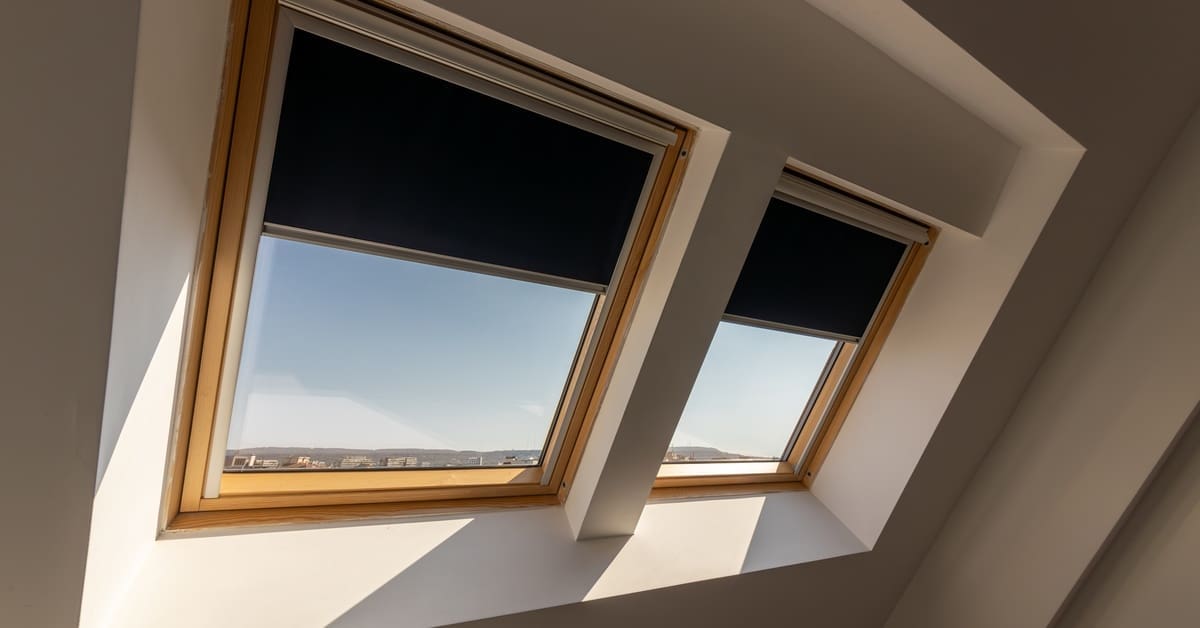
One of the biggest advantages of skylights is the amount of natural light they bring indoors. During the winter months, homes often feel darker because of shorter days and frequent cloud cover. Skylights allow sunlight to enter from above, brightening spaces that traditional windows may never reach.
This added daylight can make rooms feel more open and inviting. Areas like hallways, bathrooms, and kitchens often benefit the most because they may not have exterior walls for standard windows. The extra light also reduces the need for artificial lighting during the day.
Skylights can contribute a small amount of passive solar warmth as well. When sunlight passes through the glass, it adds gentle heat to the room below. While it will not replace your heating system, it can help make your space feel more comfortable on sunny winter days.
Another benefit appears during warmer seasons. Skylights allow rising warm air to escape through the roof, improving natural airflow. This ventilation can help regulate indoor temperatures and make upper levels of the home feel more comfortable.
The Drawbacks of Skylights
Despite their visual appeal, skylights can introduce challenges if they are not designed and installed carefully. Cold climates place extra demands on roofing systems, which means every roof opening must be handled properly.
One of the primary concerns is heat loss. Any opening in the roof has the potential to reduce insulation performance. Even well-built skylights may allow slightly more heat transfer than the surrounding roof structure.
Older skylight models or a poor installation can make this problem worse. If seals weaken or flashing fails, warm air can escape while cold air enters the home. Over time, these small losses can affect comfort and efficiency.
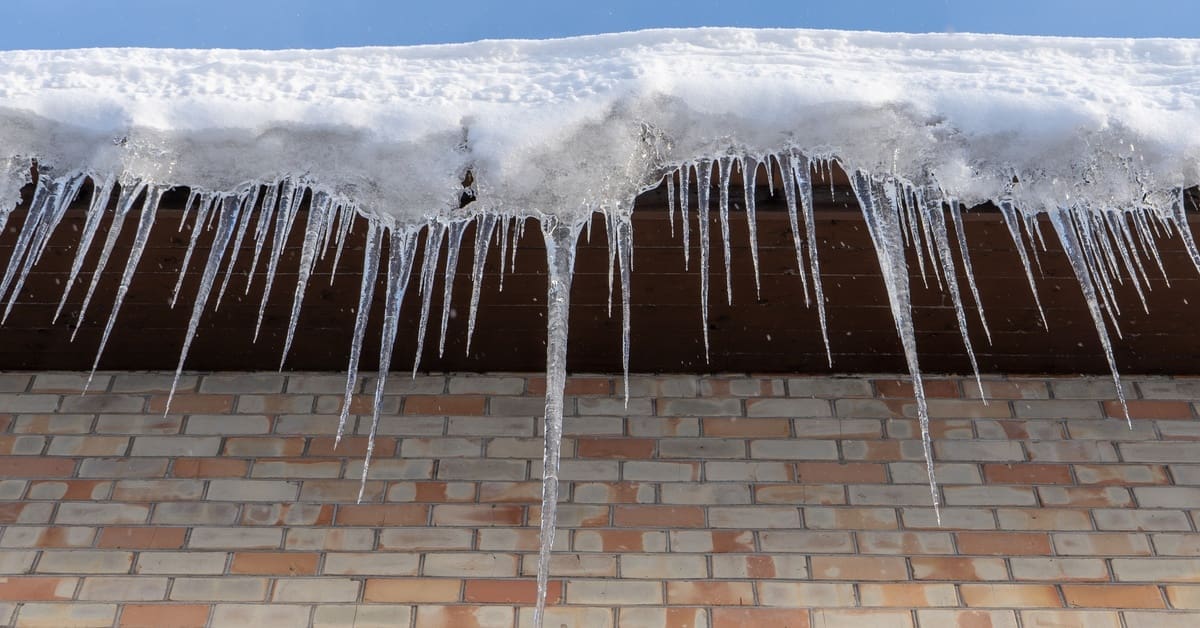
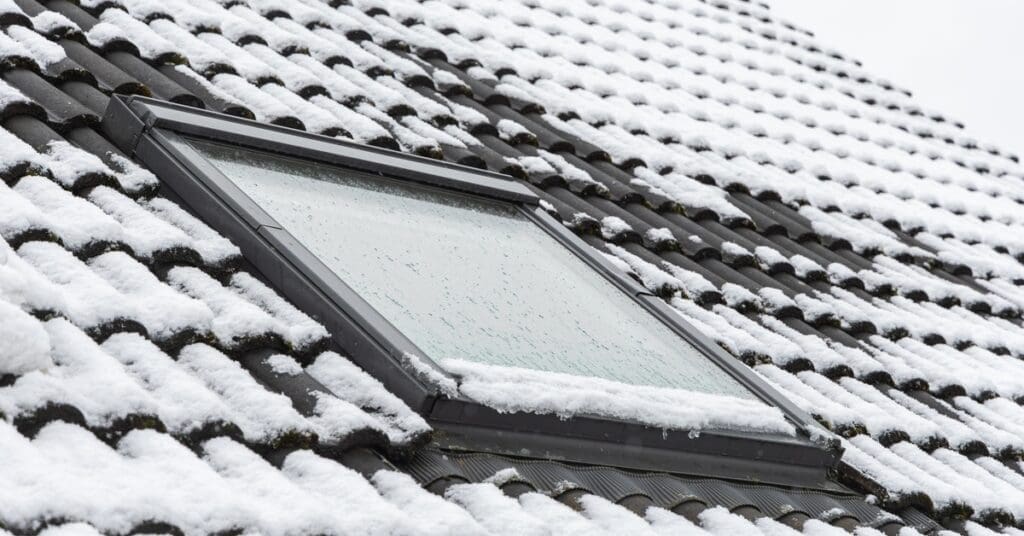
Snow and ice buildup create another challenge in northern regions. Wisconsin winters often bring heavy snow accumulation, which can collect around skylights. When roof temperatures fluctuate, melting snow may refreeze near the edges and contribute to ice dam formation.
Ice dams form when melting snow refreezes along colder roof edges, preventing proper drainage. Water trapped behind the ice can back up under roofing materials and increase the risks of leaks around skylight openings.
Improving Skylight Performance in Cold Climates
Modern skylight technology has improved significantly over the years. Today’s skylights include features designed specifically to perform better in colder regions.
Energy-efficient glazing plays an important role. Many skylights use double- or triple-pane glass filled with insulating gas and coated with low-emissivity (Low-E) materials. These features help reduce heat transfer while still allowing natural light into the home.
Placement also affects performance. Skylights positioned on south-facing roof slopes often capture more winter sunlight, which can slightly increase natural warmth during colder months.
It’s also important to consider how the skylight integrates with the roof. Professional installers carefully layer flashing systems, underlayment, and roofing materials so water flows away from the opening.
When installed as part of a complete roofing system, skylights can perform reliably even in harsh weather. Proper drainage paths, roof pitch, and snow load considerations all contribute to long-term durability.
Choosing the Right Spaces for Skylights
Some areas of a home benefit more from skylights than others. Choosing the right location helps homeowners maximize the benefits while minimizing potential drawbacks.
Rooms that lack natural light are often the best candidates. Skylights can significantly improve brightness and comfort in spaces such as:
- Interior bathrooms
- Hallways and stairwells
- Kitchens located beneath large roof areas
- Attic conversions
- Living rooms with vaulted ceilings
In these situations, the additional daylight can noticeably improve how the space feels.
Roof replacement projects also present an ideal opportunity to add skylights. Because the roof is already being updated, contractors can integrate flashing, underlayment, and roofing materials more efficiently.
Scheduling your skylight installation while your roof is being replaced or repaired avoids reopening the roof later, which helps maintain the integrity of the roofing system.
Recognizing When Skylights May Not Be Ideal
Although skylights offer many benefits, they are not the right choice for every home. Certain structural conditions can make installation more complicated.
Roofs with complex layouts, multiple valleys, or unusual drainage patterns may create areas where water or snow collects. Adding a skylight in these locations could increase the risk of moisture problems.
Homes with poor attic insulation or inadequate ventilation may also struggle with skylight performance. Without addressing those issues first, homeowners could experience condensation or uneven temperatures.
Budget considerations matter as well. High-quality skylights and a professional installation require an upfront investment. For some homeowners, focusing on roofing upgrades or insulation improvements may provide greater long-term value.
An experienced roofing contractor can evaluate your home’s roof structure, ventilation, and insulation to determine whether skylights are a practical option.
Ensuring a Proper Skylight Installation
The long-term success of a skylight often depends on the quality of the installation process. Even premium products can underperform if they are not installed correctly.
Working with a professional window and roofing company ensures that everything goes smoothly. They install specialized flashing systems that direct water away from the skylight frame, along with adding ice and water barriers for another level of protection beneath the roofing materials.
Contractors also focus on insulating and sealing the skylight shaft properly. Without these steps, warm indoor air can escape and create condensation during cold weather.
Experienced professionals understand how Wisconsin’s climate affects roofing systems. Their knowledge helps ensure skylights integrate smoothly with the roof and perform reliably throughout the year.
Bringing Natural Light Into Your Home With Confidence
Skylights can add beautiful natural light and architectural character to a home, but cold climates require thoughtful planning. When homeowners understand the pros and cons of skylights in cold climates, they can make a more confident decision about whether this addition fits into their home’s design.
Choosing high-quality materials and working with experienced professionals helps ensure skylights perform well in Wisconsin’s demanding weather. With the right design and installation, skylights can brighten interior spaces while protecting the durability of your roofing system.
If you’re considering skylights as part of a roofing upgrade, A-Rite Construction & Roofing is here to help. As a trusted local expert serving Central and Northern Wisconsin since 2002, our team focuses on durable materials, expert craftsmanship, and a transparent process from start to finish.
Contact A-Rite Construction & Roofing today to schedule a consultation and see how a professionally installed skylight can enhance your home while maintaining the strength and reliability of your roof.