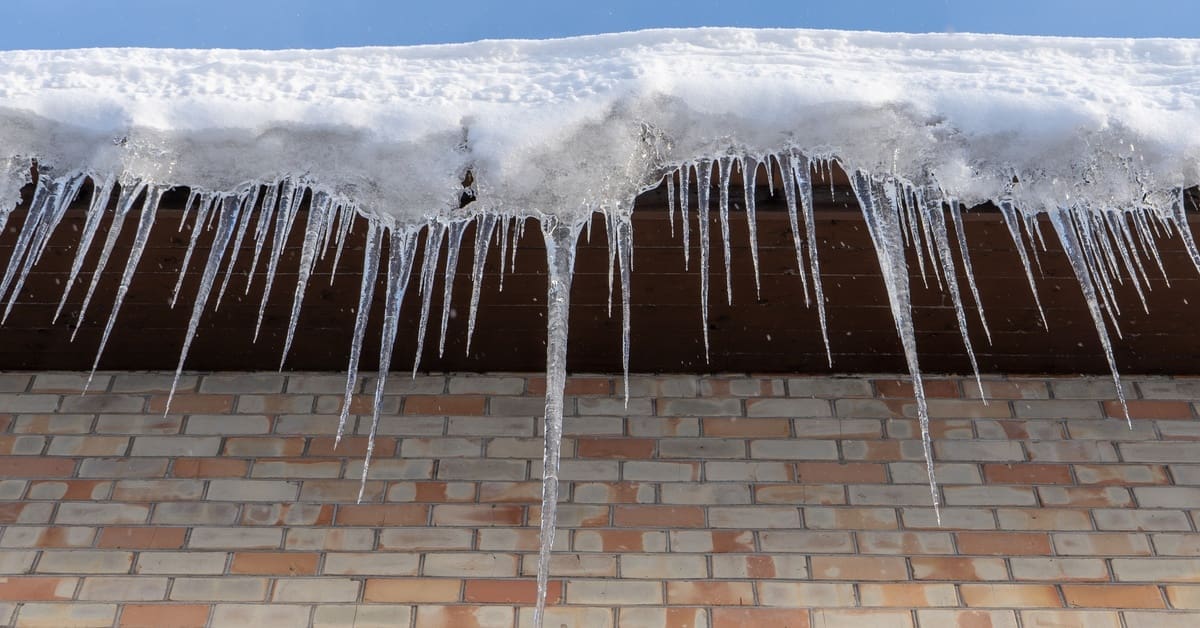
Winter in Wisconsin often brings heavy snowfall and long stretches of freezing temperatures. While the snow may look beautiful, it can create serious problems for your roof if ice dams begin to form. Understanding how these winter hazards affect different roofing materials helps homeowners protect their homes and avoid unnecessary repairs.
Every roofing material responds differently to snow, melting, and refreezing. When homeowners understand those differences, they can make better decisions about maintenance and long-term roof care.
Understanding How Ice Dams Form
Ice dams usually begin with uneven temperatures across the roof surface. Heat escaping from inside the home warms the upper portion of the roof, causing snow to melt even when outdoor temperatures stay below freezing. Then that melted water flows down the roof toward the colder edges.
When the water reaches the eaves, it refreezes and gradually forms a ridge of ice. As that ridge grows, it traps additional melting snow behind it. Over time, the pooled water may work its way beneath roofing materials and reach the roof deck.
Several conditions make ice dams more likely. Inadequate attic insulation, limited ventilation, and heavy snow accumulation can all create uneven roof temperatures. In Wisconsin’s climate, these conditions can even develop on homes with otherwise well-built roofing systems.
How Asphalt Shingle Roofs Are Affected
Asphalt shingles remain one of the most common roofing materials for homes across Wisconsin, especially architectural shingles known for durability and curb appeal. These shingles perform well in harsh weather, but they still rely on proper drainage to protect the roof structure.
When ice dams trap water along the roof edge, that water may begin to lift the edges of shingles and seep beneath the layers. Over time, moisture can reach the underlayment or roof deck, which may lead to leaks inside the home.
Architectural shingles include layered construction and stronger adhesive strips that help them resist wind and weather. Even so, they still depend on balanced attic insulation and ventilation to reduce winter temperature differences that contribute to ice dams.
When ice buildup becomes severe, professional ice dam removal services may be necessary to relieve pressure on the roof and reduce the risk of water moving beneath the shingles.
How Metal Roofs Respond to Ice Dams
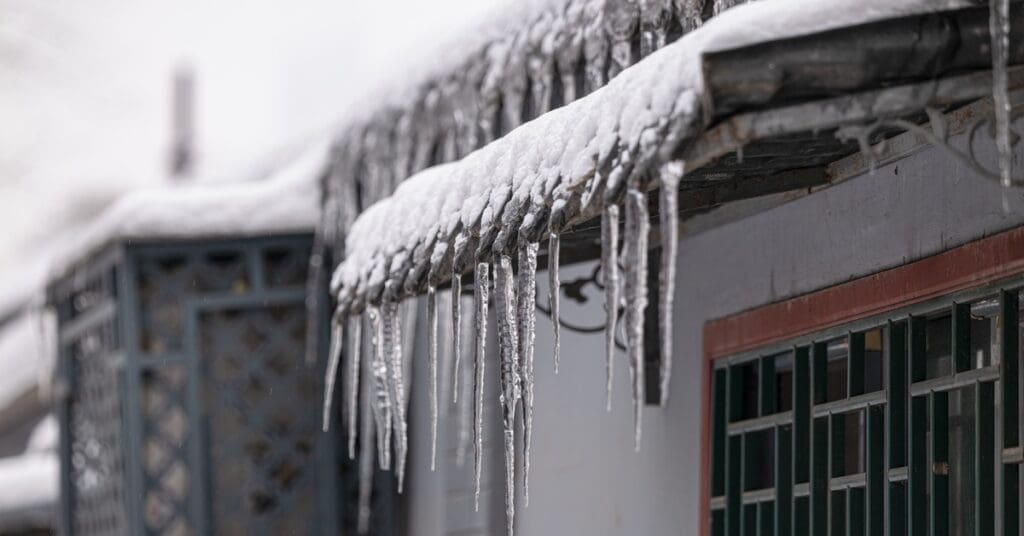
Metal roofing systems are often known for shedding snow quickly. Their smooth surfaces allow snow to slide away more easily than textured roofing materials, which can reduce the amount of snow sitting on the roof.
Even with that advantage, metal roofs can still experience ice dams when melting and refreezing occur along the eaves. If attic heat warms sections of the roof unevenly, melting snow may travel downward and freeze again at the colder roof edges.
Snow movement itself can also create challenges. Large sheets of sliding snow sometimes pile up near gutters or roof edges where they refreeze, forming thick layers of ice.
Features such as proper ventilation systems and snow guards help manage snow movement and improve winter performance. When installed correctly, these components help the roof handle changing winter conditions more effectively.
How Tile and Slate Roofs React to Ice Dams
Tile and slate roofing systems offer impressive longevity and durability, but their heavier materials respond differently when ice dams form. These roofing systems rely on carefully layered components that guide water down the roof and away from the home.
When an ice dam blocks that natural flow, melting snow can collect behind the ice ridge. Water may then move beneath the tiles or slate pieces and reach the protective layers below.
Because tile and slate roofs are heavier than other roofing systems, accumulated ice can place additional stress on roof edges and gutters. Repeated freeze-thaw cycles may also affect fasteners or flashing around roof penetrations over time.
Professional inspections after severe winters help identify these issues early. Addressing small concerns promptly protects the performance and lifespan of these premium roofing materials.
Where Ice Dams Cause the Most Damage
Ice dams rarely affect every part of the roof evenly. Certain areas of the roofing system are more vulnerable because of how heat moves through the home and how snow collects on the roof.
Common trouble spots include:
- Roof eaves where temperatures stay colder
- Valleys where two roof slopes meet
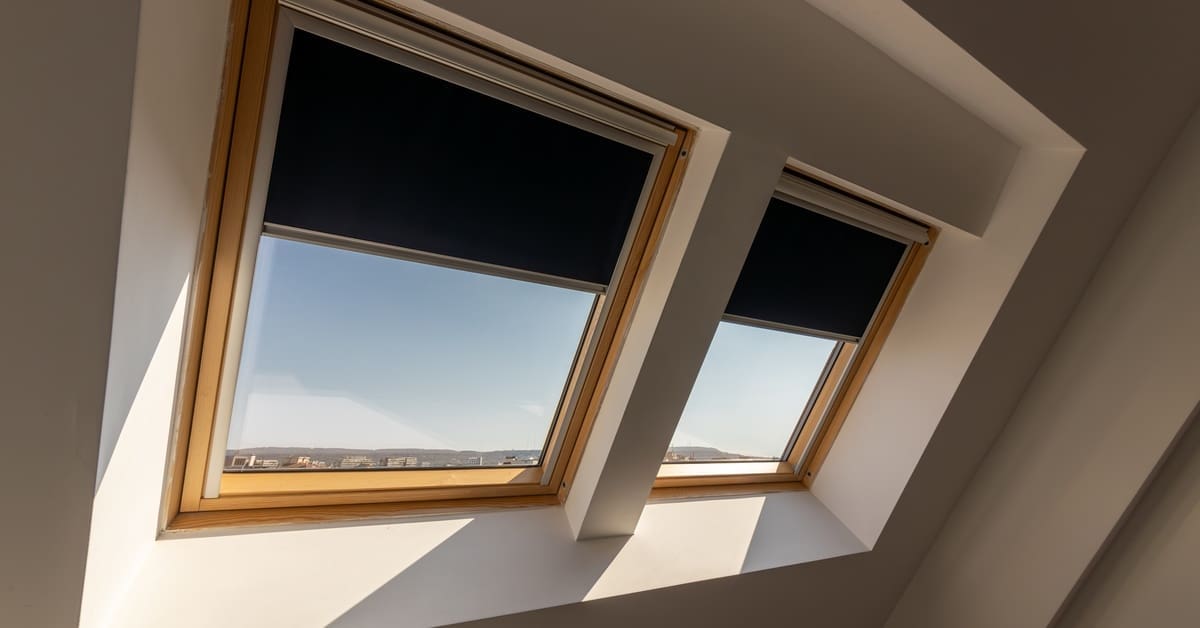
- Areas around chimneys, vents, and skylights
- Sections above poorly insulated attic spaces
- Edges of roofs above heated living areas
These sections tend to experience the most frequent freeze-thaw cycles. When water repeatedly melts and refreezes in these areas, the risk of water intrusion increases.
Why Prevention Is the Best Long-Term Strategy
The most effective way to address ice dams is by preventing the conditions that allow them to form. Removing visible ice may offer temporary relief, but the root issue usually involves heat escaping into the attic.
Proper attic insulation helps keep warm indoor air from reaching the roof deck. When insulation performs well, the roof surface stays closer to outdoor temperatures and snow melts more evenly.
Balanced ventilation also plays a major role. A system of intake and exhaust vents allows cold air to circulate through the attic, helping maintain consistent roof temperatures throughout winter.
Routine roof inspections support these improvements. A professional evaluation can identify ventilation concerns, insulation gaps, or installation details that contribute to ice dam formation.
Why Professional Ice Dam Removal Matters
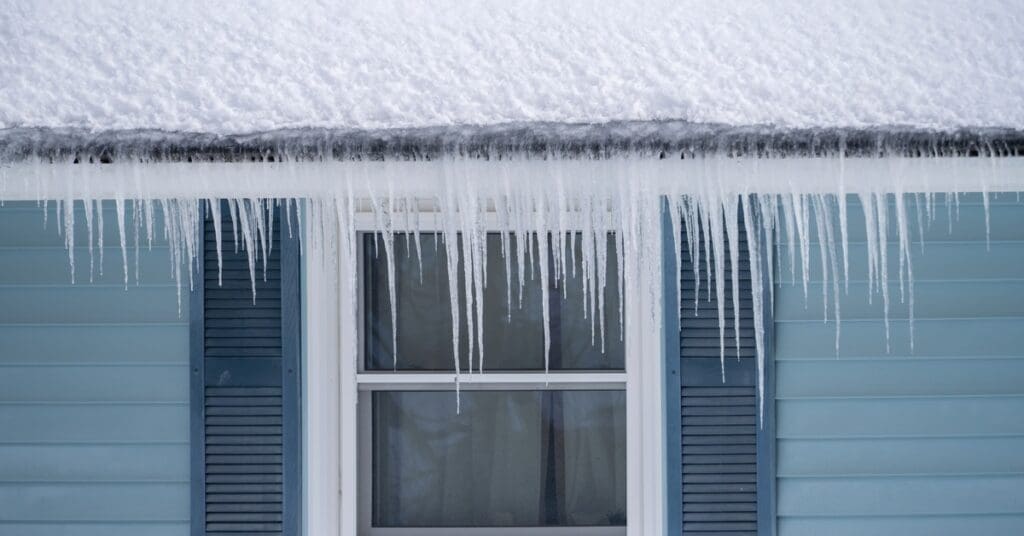
Ice dams can be dangerous to remove without the proper equipment and experience. Climbing onto an icy roof or attempting to chip away ice with sharp tools can damage roofing materials and create serious safety risks.
Professional roofing contractors use specialized equipment designed to remove ice safely. Low-pressure steam systems gradually melt the ice without harming shingles, flashing, or other roofing components.
During the process, an experienced contractor can also check the roof for early signs of moisture intrusion. Catching these issues early helps prevent more extensive repairs later.
Protecting Your Roof During Wisconsin Winters
Different roofing materials respond differently to ice dams, but every roof benefits from proper insulation, ventilation, and expert installation. Routine inspections and seasonal maintenance go a long way toward reducing winter risks. Addressing small concerns early helps protect your roof’s structure and the comfort of your home.
If ice buildup has already started forming along your roofline, it’s wise to act quickly. Bringing in experienced professionals ensures the issue is handled safely and helps prevent further damage.
Get Expert Help Before Ice Dams Cause Damage
Ice dams may begin as a small ridge of frozen snow, but they can quickly turn into a serious roofing concern. Recognizing the warning signs early and responding before damage spreads can save homeowners significant time and expense.
If you notice ice building along your roofline or suspect winter moisture issues, professional help makes a difference. A-Rite Construction & Roofing provides trusted inspections and safe ice dam removal for homeowners across Central and Northern Wisconsin. Contact our team to schedule an evaluation and protect your home with quality craftsmanship you can rely on.