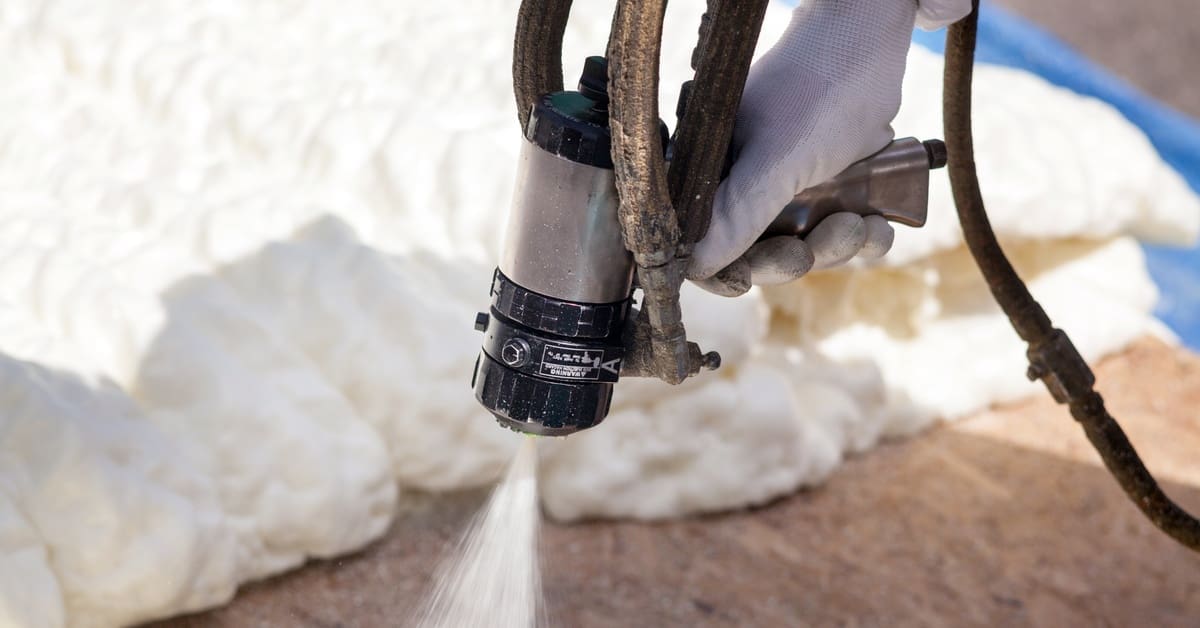
Heating bills in Wisconsin can climb fast once winter sets in. When warm air slips out and cold air pushes in, your furnace works overtime just to keep things steady. It’s no surprise that many homeowners start looking at ways that spray foam insulation can reduce heating costs while making their homes feel more comfortable. With the right insulation strategy, you can create a space that holds heat better and performs more efficiently all season long.
Spray foam insulation takes a focused approach to air sealing and thermal performance. By closing off hidden gaps and strengthening the home, it supports lasting efficiency and more consistent indoor temperatures.
Seal Air Leaks for Immediate Efficiency Gains
Uncontrolled air leakage is one of the biggest reasons homes lose heat. Small gaps around plumbing lines, wiring, attic hatches, and framing joints allow heated air to escape while cold air moves in. Even newer homes can have enough minor openings to affect overall efficiency.
Spray foam insulation expands after it’s applied, filling irregular spaces and forming a tight seal. Unlike batt insulation, which can leave open areas around obstacles, spray foam conforms to surfaces and closes off common escape routes for warm air.
Air sealing matters even more in Wisconsin’s windy winters. When drafts are reduced, indoor temperatures stay more stable. That means your heating system doesn’t have to cycle as often, helping you manage energy use more effectively.
Improve Thermal Resistance Throughout the Home
Insulation performance is measured by its R-value, which reflects how well it resists heat flow. A higher R-value means better resistance to heat transfer. Spray foam insulation delivers strong thermal resistance in a relatively thin layer, making it practical for tight spaces.
This can be especially helpful in exterior wall cavities or rim joists where space is limited. A high-performing material in a thinner profile allows you to improve efficiency without major structural changes.
With a stronger thermal barrier in place, warm air stays inside longer during the winter. Your furnace doesn’t have to work as hard to maintain comfort. Consistent insulation coverage also helps reduce room-to-room temperature differences, creating a more balanced indoor environment.

Reduce Strain on Your Heating System
When insulation falls short, your furnace cycles on more frequently to compensate for heat loss. Over time, that added workload can increase wear on system components. Frequent cycling also leads to higher energy consumption.
By tightening the building envelope, spray foam insulation reduces the demand placed on your heating equipment. The system can maintain your preferred temperature with fewer and shorter run times.
A heating system that operates more efficiently tends to deliver steadier comfort. Homeowners often notice fewer hot-and-cold swings and a more even feel throughout the house.
Control Moisture That Impacts Performance
Moisture affects more than just comfort; it also influences insulation performance. When traditional materials absorb water, their effectiveness drops. Persistent dampness can also contribute to mold or mildew inside walls or attic spaces.
Closed-cell spray foam insulation helps limit moisture intrusion while sealing air leaks. By reducing both air and water movement, it supports a drier, more durable structure. This added protection is especially useful in basements, crawl spaces, and other vulnerable areas.
In a region known for freeze-thaw cycles, moisture control is essential. Condensation inside wall cavities can create long-term issues if left unaddressed. A properly sealed and insulated home is better equipped to handle winter conditions.
Eliminate Cold Spots and Drafty Rooms
Cold spots in certain rooms are a common winter complaint. These areas often trace back to uneven insulation coverage or hidden air gaps behind walls and ceilings. Even small voids can affect how a room feels.
Because spray foam expands to fill cavities completely, it provides more uniform coverage. Corners, joints, and irregular framing areas are sealed more thoroughly than with many traditional materials.
When temperatures feel consistent from one room to the next, you’re less likely to raise the thermostat just to stay comfortable. That simple change can help control heating costs over time.
Strengthen Key Areas Prone to Heat Loss
Certain parts of a home are especially vulnerable to winter heat loss. Warm air naturally rises, a process often referred to as the stack effect. As heated air escapes through the upper portions of the home, cold air is drawn in at lower levels.
Common problem areas include:
- Attics where rising warm air escapes
- Rim joists and basement walls
- Crawl spaces exposed to cold air
- Garage ceilings beneath living areas
Sealing and insulating these high-impact areas can significantly improve overall performance. When these vulnerable zones are addressed, the rest of the home benefits from better heat retention and reduced air infiltration.
Focusing on these priority spaces often delivers noticeable comfort improvements without requiring a full renovation. For many homeowners, strategic upgrades provide meaningful efficiency gains.
Support Long-Term Energy Savings
When considering ways spray foam insulation can reduce heating costs, it’s important to look beyond the first winter. While the installation is an upfront investment, improved efficiency can help manage energy expenses year after year.
Unlike some loose-fill materials, spray foam does not settle over time. Once properly installed, it maintains its shape and insulating properties for the long term. That consistency supports dependable performance through multiple heating seasons.
For homeowners planning to stay in their homes, improved efficiency and comfort can also support long-term property value. Energy-conscious upgrades are often seen as practical, forward-thinking improvements.

Why You Should Work With a Trusted Local Professional
Even the best insulation material won’t perform as intended without proper installation. Application thickness, surface preparation, and environmental conditions all matter. Choosing an experienced professional helps ensure your investment delivers the expected results.
Look for a team that values clear communication and careful planning. A thorough consultation should include assessing existing insulation, identifying air leakage points, and recommending tailored solutions for your home.
A professional installation also considers ventilation and building code requirements as part of the overall plan. That comprehensive approach helps maximize efficiency while protecting the integrity of your home.
Create a Warmer, More Efficient Home
Lower heating costs start with understanding how heat moves through your home. By sealing air leaks, improving thermal resistance, and managing moisture, spray foam insulation supports stronger winter performance. The result is a home that feels more consistent and comfortable, even during the coldest stretches of the season.
When you need an insulation contractor in Wausau, WI,that you can trust, A-Rite Construction & Roofing delivers professional installation backed by years of experience. Contact our team today to schedule a consultation and discover how quality spray foam insulation can make a lasting difference in your home’s comfort and efficiency.