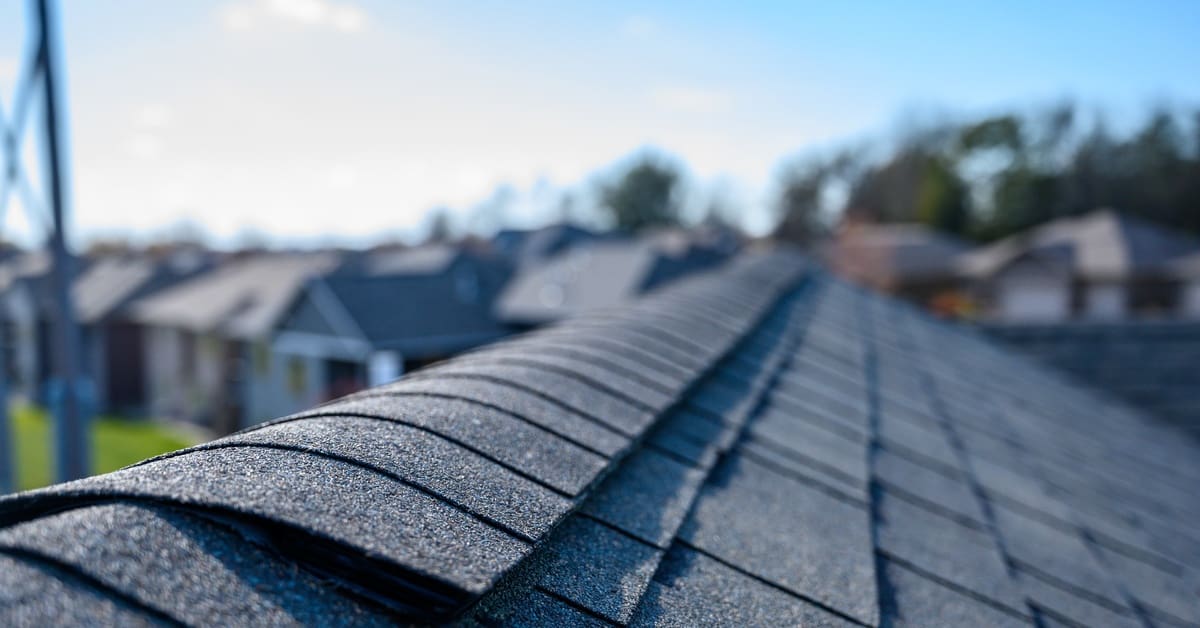
Most of us never give our roofs a second thought until we need them to perform. They shield our homes from rain, snow, wind, and harsh cold weather. Yet, the systems protecting us today are the result of generations of innovation and problem-solving. People have spent centuries refining what it means to keep a home warm, dry, and safe. We started with basic natural coverings and gradually shifted to advanced, engineered solutions built to last. Exploring the history of roofing materials shows just how far we have come on the journey to build the perfect home.
Ancient Foundations of Shelter
Early builders did what they had to for protection, often prioritizing survival over comfort. They used materials they could find nearby, like animal skins stretched over sturdy branches, to create makeshift shelters. Although these tents were easy to move, they did little to keep out the biting cold.
Some early communities used what they found underfoot. Mud and straw provided sturdy coverings for small huts, doing a decent job of blocking out the wind. But heavy rains were another story. Water washed away these roofs all too easily, which meant people had to repair or rebuild them often just to stay protected.
Clay Tiles in Classical Architecture
Mediterranean civilizations made an important breakthrough. By baking clay into tiles, they created roofs that kept water out, even under the hot southern sun. The Greeks and Romans refined the fired clay tile and set a new standard for strength and longevity. Many of their roofing techniques still influence how we build today.
Builders arranged these curved tiles in overlapping rows so rainwater flowed right off the roof. The method proved incredibly effective. Many original tile roofs in ancient villages remain in place today. There’s a tradeoff, though. Clay tiles are heavy, so homes need a strong frame to support all that weight. That extra engineering makes clay less common for most modern homes.
Thatch Roofing Across Europe
Thatch roofs became a fixture across rural Europe. People gathered dry straw, reeds, or sedge and layered them tightly, creating a barrier that let water roll off the surface. When cared for properly, a thatch roof could protect a home for decades.
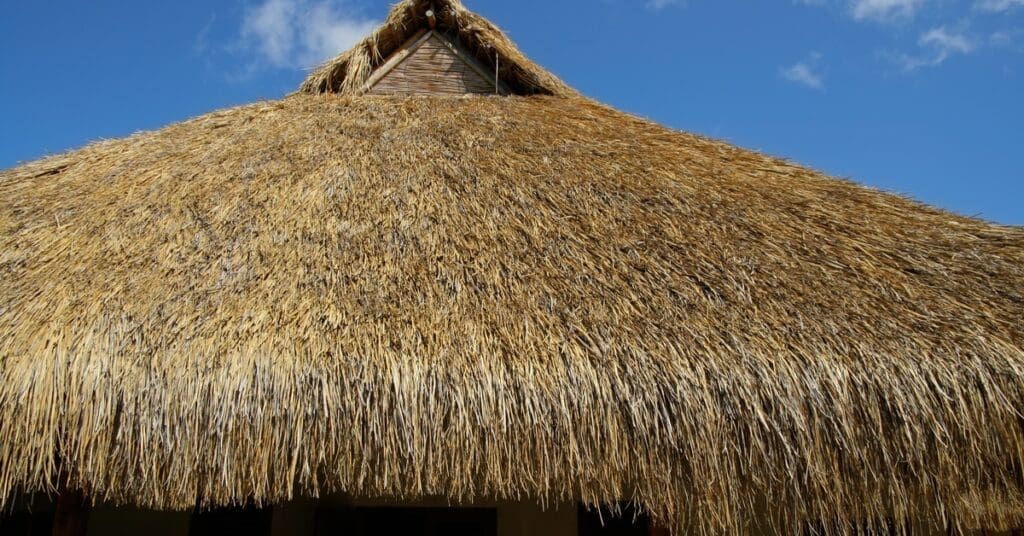
Thatch offered impressive insulation, keeping homes warm during snowy winters and cool throughout the summer. It created a comfortable living space, but it also came with real risks. Thatch roofing catches fire easily, and when entire villages had houses packed close together, a single spark could spell disaster. As cities grew and homes clustered closer, people had to find safer, more reliable options for their rooftops.
Wood Shingles in Early America
When early American settlers arrived, they found plenty of timber and put it to good use. Cedar and oak became the materials of choice for crafting split wood shakes and shingles. These hand-cut pieces brought a classic, natural look to homes. Wood shingles offered breathability and helped insulate houses, making them both practical and appealing.
Still, moisture and decay created real challenges. Untreated wood takes in water, which leads to rot, mold, and ugly moss patches. Many homeowners who love the natural charm of wood shingles turn to synthetic options today. These alternatives capture the look but spare you the constant upkeep.
Slate Emerges as a Status Symbol
In the 18th and 19th centuries, homeowners who wanted something permanent turned to slate. Slate doesn’t burn, won’t rot, and has no interest in letting moisture or insects through. That made it a standout material for those seeking both status and peace of mind.
A slate roof sends a clear message of quality and prestige. You can find these timeless roofs crowning historic buildings and upscale homes, lasting well beyond a lifetime when properly cared for. Slate comes at a premium, not just in price but also in weight. If you’re considering slate, your home needs a strong, well-built frame to handle the load and protect its structure for decades.
Metal Roofing and the Industrial Age
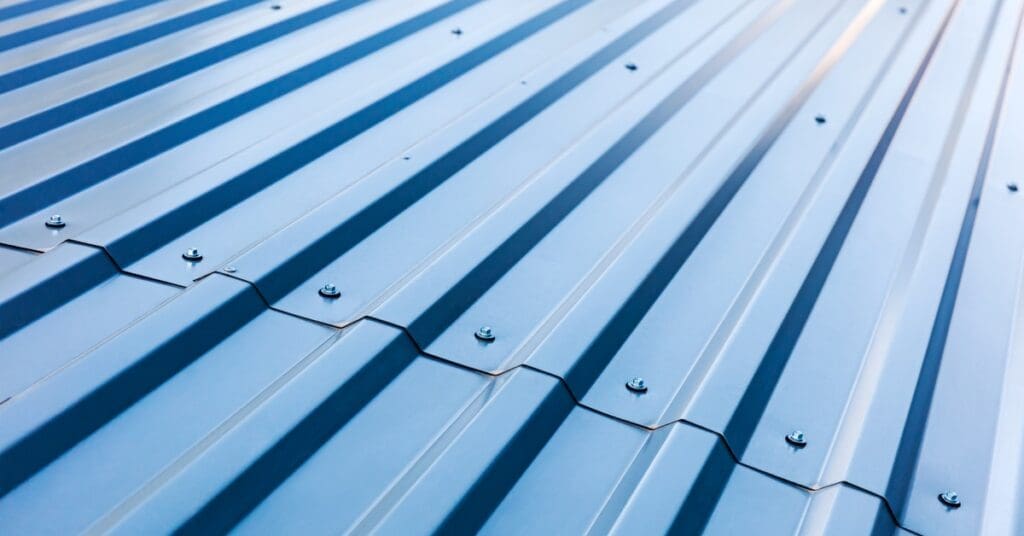
The Industrial Revolution reshaped how we built our homes. Sheet metal options—copper, lead, and later galvanized iron—became widely available and changed roofing designs. Many architects loved copper because it sealed out water so well on low-slope roofs. It also offered a visual bonus. As copper weathers, it forms a green patina that naturally guards against corrosion and lends a distinguished look to any home.
Metal roofing took off because it stands up to fire and weighs far less than tile or slate. Early metal roofs could be noisy in the rain and prone to rust, but improvements in coatings solved those issues.
The Birth of Asphalt Shingles
The early 1900s changed everything for the roofing industry. That’s when manufacturers started using organic felt soaked in asphalt, then topping it with stone granules. These asphalt shingles offered something new: an affordable, fire-resistant roofing option that went up quickly and looked great. Asphalt soon became the go-to choice for American homes, thanks to its dependable protection and easy installation.
Those early asphalt shingles had their drawbacks. They didn’t hold up well in the cold, becoming brittle and sometimes cracking when temperatures dropped. High winds could peel them away from the roof deck, making repairs common after a tough storm. Even with these limitations, their low cost and easy installation made them a hit with homeowners looking for affordable, practical protection for their homes.
Evolution of Composite Materials
By the middle of the 20th century, new chemistry breakthroughs made synthetic roofing a reality. Manufacturers began using rubber and plastic blends to create products that looked just like slate or shake shingles. These modern options capture a classic look and offer a much lighter weight than traditional materials, making them easier to install and less demanding on your home’s structure.
These composite materials handle harsh weather impressively. Hail and rapid freeze-thaw cycles don’t phase them, so they hold up season after season. Many homeowners like that synthetics give their roof a timeless look without all the constant maintenance or worries about damage.
Modern Innovations in Weather Resistance
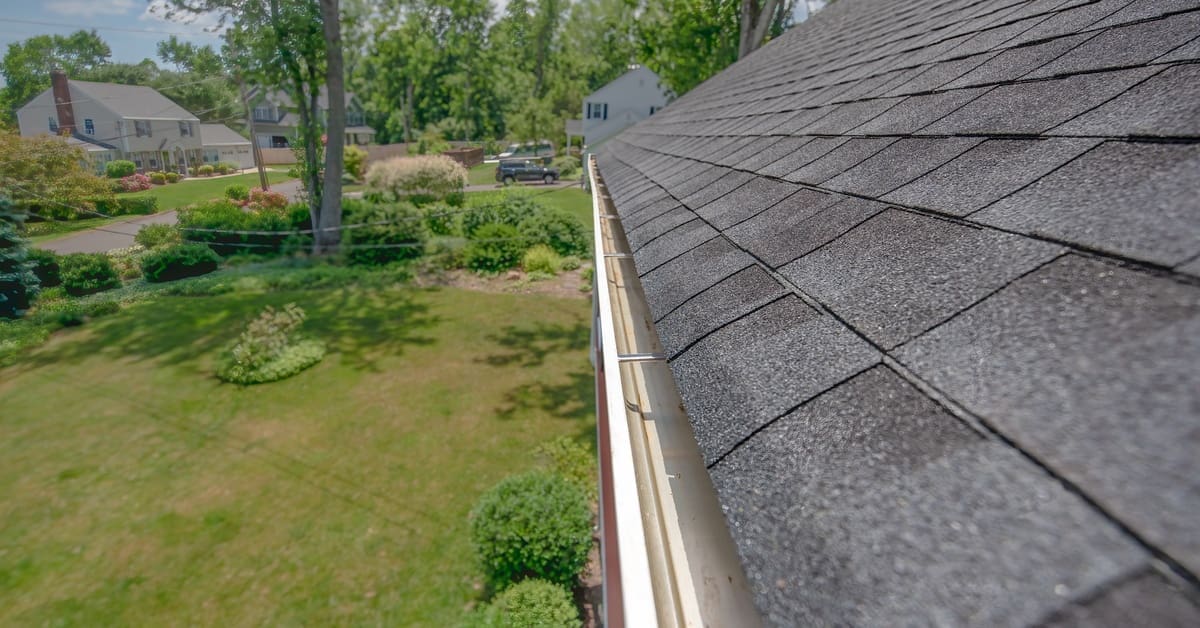
Today’s asphalt shingles set a whole new standard compared to those early versions. Instead of organic felt, manufacturers use a strong fiberglass base, which makes the shingles tougher and greatly improves fire resistance. Premium architectural shingles add multiple layers, giving your roof a richer look and added protection against the elements.
Adhesive technology has also come a long way. Today’s shingles lock down tight, standing up to even the strongest winds that roll through during summer storms. Homeowners benefit from these secure seals, knowing their roofs stand ready to face our unpredictable weather.
Choosing the Right Material for Your Homes
By looking at the history of roofing materials, you can see just how far craftsmanship and materials have come. Homeowners can now choose from roofing materials that truly stand up to the elements. The real challenge is picking a system that can take on tough winters, from heavy snowfall to sudden cold snaps, all while offering dependable protection year after year.
Choosing the right installer is every bit as important as picking the right material. Working with an Owens Corning Platinum preferred contractor gives you peace of mind. You get not only top-tier products but also access to enhanced warranties and expert installation practices that many general contractors can’t offer. With this level of certification, you can feel confident your roof will perform the way it should for years to come.