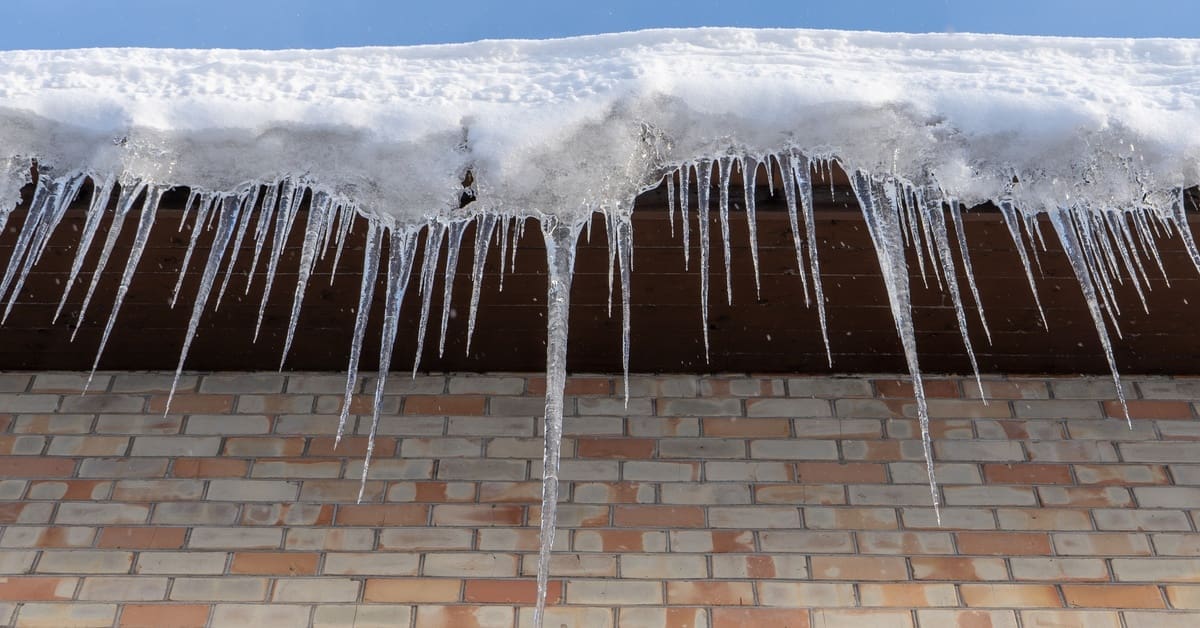
As winter gives way to spring, the first hints of warmer weather arrive. While the shift brings much-needed sunshine and melting snow, it also signals the rainy season ahead. At this point, homeowners need to focus on essential home maintenance. Before spring rain showers come, it’s smart to know how to prepare your gutters. Your gutters play a key role in protecting your home’s foundation, siding, and landscaping from water damage, but only when they’re clear and working as they should.
Letting gutters go unchecked can lead to serious and expensive repairs down the road. Leaves, twigs, and debris left over from fall and winter block water from flowing the way it should. That overflow can erode soil, flood basements, and even put your roof at risk. Spending a bit of time now can save you a lot of stress and expense, keeping your home protected all season.
Clear Debris From Gutters and Downspouts
Start by removing all the leaves, twigs, and grit that built up over the winter. Gutters can quickly fill up with material that hardens and clogs your system. All you’ll need is a sturdy ladder, gloves, and a small scoop or trowel.
Begin near one of your downspouts and work along the gutter. Place debris in a bucket as you go to avoid pushing clogs down further. Pay special attention to corners and junctions, where leaves tend to gather the most. Once the channels are clean, move on to clearing the downspouts.
Flush the System With Water
Next, use your garden hose with a strong nozzle to wash out smaller debris and check that water flows properly. Place the hose at the end of the gutter furthest from the downspout, then let it run.
Watch the water’s path. It should move freely down the gutter and out the downspout without backing up. If you only see a slow trickle or water spills over the side, a clog still needs attention. Using a plumber’s snake usually clears these tougher blockages.
Inspect for Leaks and Holes
While you have water running through the system, keep an eye out for leaks or dripping water escaping from the gutters. Focus on the seams, connections, and where gutters meet the fascia. Even a small hole gives water a path to the wood, which can lead to rot.
Mark any spots you see with painter’s tape so that you can come back and repair them. Small leaks often respond well to a quality waterproof sealant. Make sure the area is clean and dry before applying the sealant inside the gutter for a lasting fix.
Check Gutter Seams and Joints
Over time, the sealant at seams tends to wear out or peel away, especially after harsh winters. These weak points allow water to seep through and undermine the gutter system.
Find any old or cracked sealant and remove it carefully with a putty knife. Clean the area with a wire brush and rubbing alcohol, then add new waterproof sealant. Smooth it out for a secure fit that will last.
Examine and Clear Downspout Extensions
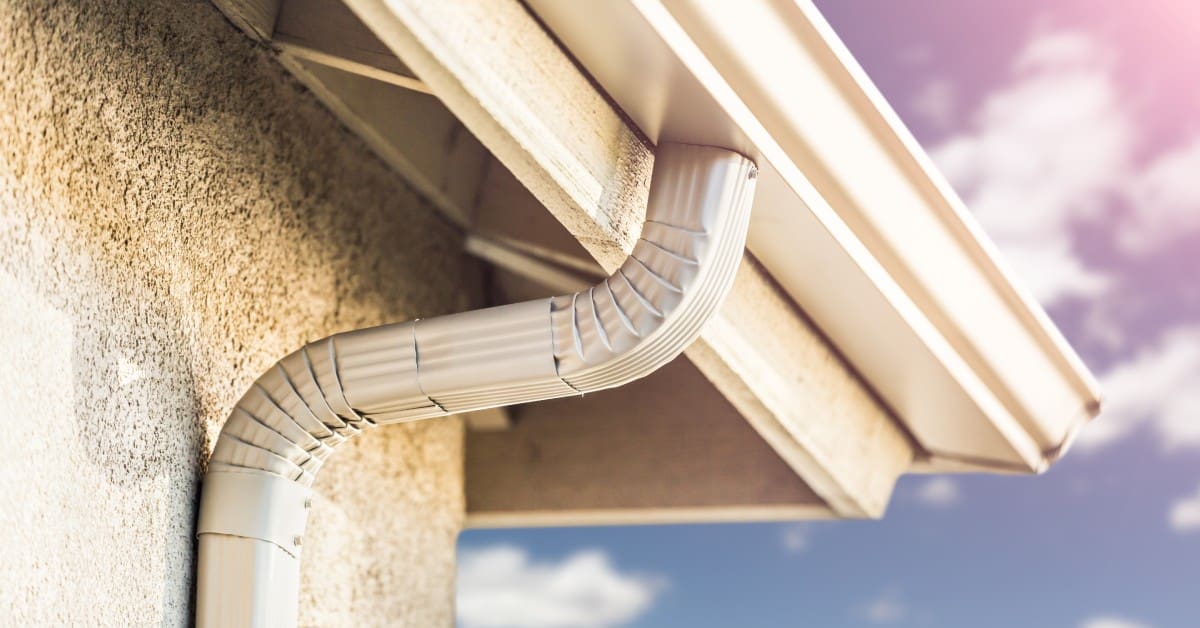
After rainwater moves through the downspout, extensions help direct the flow well away from your home’s foundation, usually by at least three or four feet. Make sure these extensions stay clear and securely attached.
- Confirm extensions point away from foundation walls.
- Remove any mulch, dirt, or grass that could block water flow.
- Make sure each extension ends on a splash block or ties into your drainage system.
- Check that the ground slopes away from your house where water exits.
These steps are as important for your gutters to direct water away from your foundation and help prevent costly damage in the future.
Secure All Gutter Fasteners
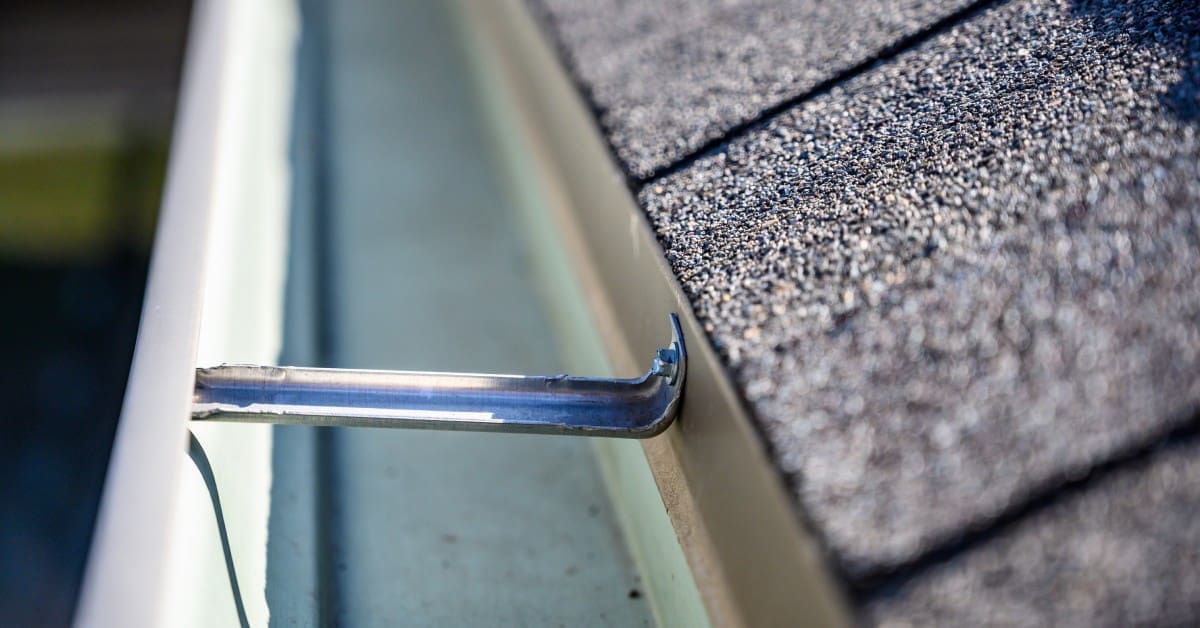
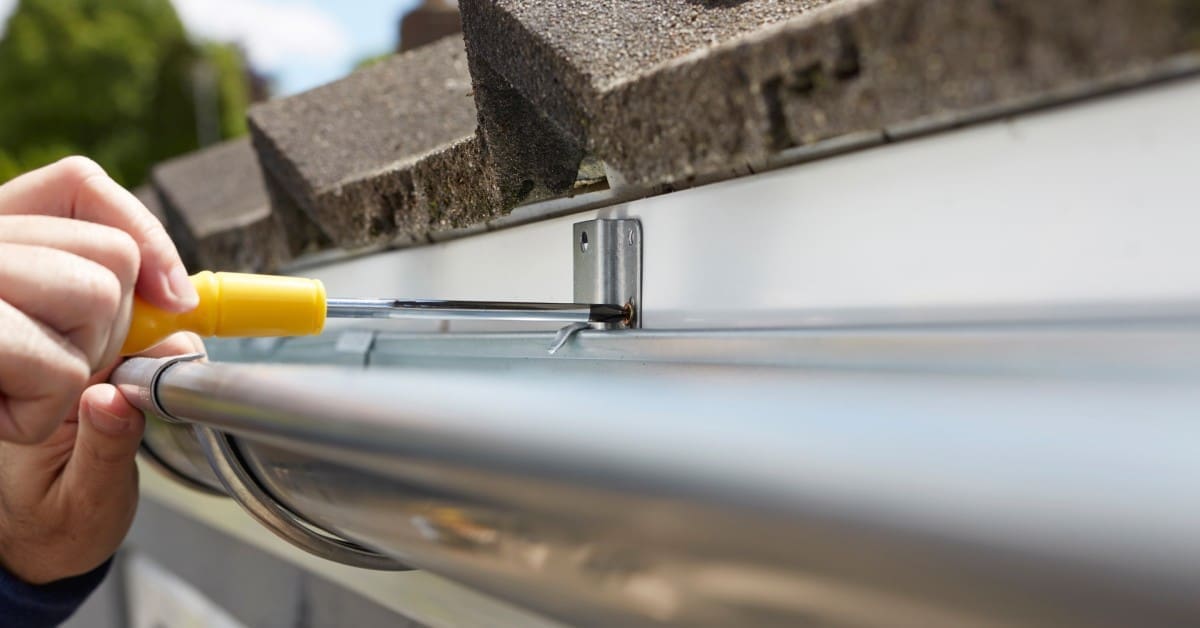
Gutter systems rely on spikes, brackets, or hangers to stay attached to your fascia. Freezing, thawing, and movement can loosen these fasteners as the seasons change. Inspect your gutter lines and check that everything sits tightly against the house.
Try tapping any loose spikes back in. But if the wood is soft or damaged, you may need to replace them with longer screws or relocate the hanger. Gutters that are securely fastened won’t sag or pull away, even during periods of heavy rain.
Ensure Proper Gutter Slope
Every gutter needs a gentle slope toward the downspouts to carry water away. Aim for a quarter-inch of drop every 10 feet. Standing water is a sure sign of a problem with the slope.
Check the angle with a level. After you rinse the gutters, look for any spots where water pools. To fix the pitch, adjust the hangers as needed. If the task feels tricky, bringing in a professional is the best way to guarantee a correct and lasting adjustment.
Evaluate Gutter Guards and Covers
If your gutters have guards installed, spring is the ideal time to check on their condition. While they stop most debris from entering the gutters, finer materials like pine needles or shingle grit sometimes get through.
Sweep away anything resting on top of the guards and check they’re still secure after winter storms. If you don’t have gutter guards, now may be a good time to consider adding them to cut down on maintenance next season.
Repair or Replace Damaged Sections
Not every issue can be solved with basic repairs. If you find gutters that are badly bent, rusted through, or pulling away from your house, they’ll need more attention. Gutters that don’t keep their shape let water spill out, defeating their purpose.
When quality and long-term performance are a priority, fixing these issues right away pays off. Sometimes a complete replacement gives you more value and peace of mind than repeated patchwork. A professional can help determine if new gutters will serve your home better and provide tailored protection for years ahead.
Trim Overhanging Branches
Branches that stretch over your roof constantly drop debris and can endanger your gutter system. Trim back limbs that hang within a few feet of your gutters. Doing this minimizes buildups of leaves and twigs and reduces the risk of storm damage.
Regular pruning also helps lengthen the life of both your gutters and your roof, giving you one less thing to worry about each season.
Know When To Call a Professional
Most homeowners can handle basic cleaning, but some situations call for expert help. If your gutters are hard to reach, damage looks extensive, or you would feel safer with someone experienced on the job, don’t hesitate to reach out. Preparing your gutters for heavy spring rains shouldn’t be a guessing game. Experts have the skills, equipment, and local know-how to make sure your system is ready before problems start.
A-Rite Construction has provided gutter installation services for Central and Northern Wisconsin since 2002. With a firsthand understanding of our area’s unique challenges, we help homeowners keep their properties protected all year.
Take care of your home this spring with a gutter system you can count on. Contact A-Rite Construction today to schedule your gutter inspection. We’ll ensure your home stays safe and dry before the next rain arrives.