Most people see a roof as just the structure that keeps out the rain, snow, and wind. While that’s true, your roof influences much more than what happens above your head. Its design affects your home’s health, energy efficiency, and long-term durability. Understanding the role of roofing ventilation in indoor air quality arms you with the knowledge needed to keep your home healthy and comfortable.
How Does Roof Ventilation Affect Air Circulation?
Roof ventilation creates a system where cool, dry air comes in through intake vents and warm, moist air exits via exhaust vents near the peak. This setup keeps the attic air moving, stopping it from becoming stagnant and reducing the risk of moisture buildup.
When air stagnates in your attic, especially during summer, heat and moisture levels climb fast. That intense, trapped air pushes down into your living spaces, making the entire house feel uncomfortable and forcing your cooling system to work overtime. Without airflow, moisture becomes trapped as well, setting up the ideal environment for pollutants and allergens that impact your home’s indoor air quality.
Can Poor Ventilation Cause Mold And Mildew?
Poor roof ventilation sets the stage for mold and mildew. When warm, moist air from daily routines like cooking or showering rises and gets trapped in your attic, it has nowhere to escape. As it cools, moisture collects on your roof deck and supports, giving mold and mildew exactly what they need to thrive. These fungi send spores into the air, which can make their way from the attic into your living areas through gaps, light fixtures, or the HVAC system. Breathing in those spores can trigger allergies, asthma, or other respiratory issues—quickly dragging down the quality of air in your home.
What Pollutants Build Up With Bad Ventilation?
If your attic doesn’t have enough ventilation, it can collect all sorts of indoor air pollutants, not just mold spores. Many unwanted particles gather there and can enter your home’s air, especially when airflow is lacking. These pollutants come from both inside and outside the house, making it even more critical to keep the attic ventilated and air circulating.
Some common pollutants that build up include:
- Volatile Organic Compounds (VOCs) from stored paints, solvents, or household items
- Dust and debris that enter through small gaps
- Fumes from household cleaning products that rise with warm air
- Allergens like pollen that find their way into the attic space
When air can’t move freely, these pollutants pile up and enter your living space, lowering the freshness and overall air quality over time.
How Does Ventilation Control Attic Temperature?
Roof ventilation greatly influences attic temperature control. On hot summer days, without proper ventilation, attic temperatures can soar above 150 degrees Fahrenheit. This trapped heat seeps into your living areas, making your home less comfortable and driving up cooling costs.
Ventilation solves this by allowing heat to escape and cooler outdoor air to enter, keeping attic temperatures in check. As a result, your living space stays cooler, and your energy bills remain manageable.
What Is The Link Between Ventilation And Ice Dams?
Winters can be tough on roofs, especially when ventilation falls short. If the warm air from your home leaks into an attic without proper ventilation, it heats the underside of your roof deck and melts the snow sitting above—even while it’s freezing outdoors.
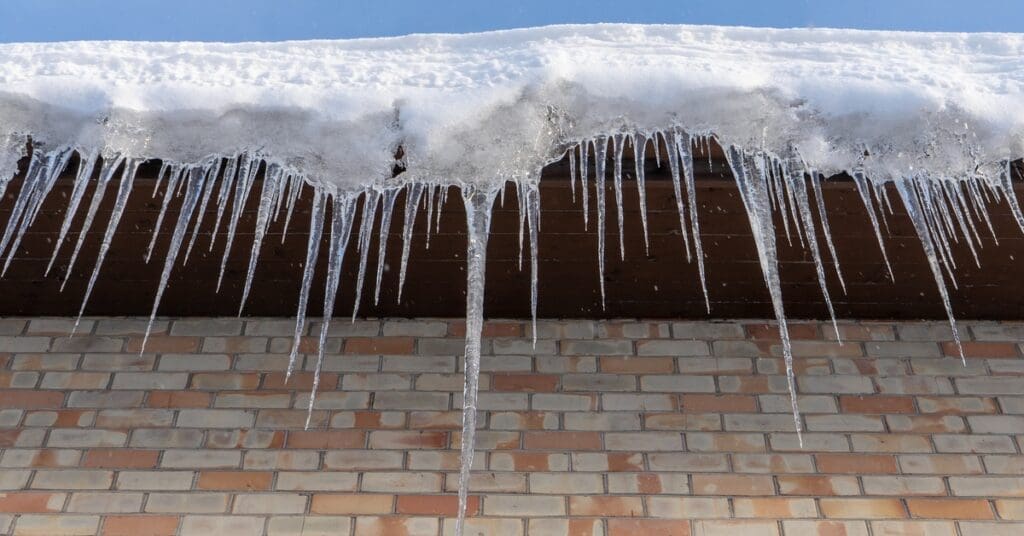
When snow melts on your roof, it can run down to the colder eaves and refreeze, forming an ice dam. Water then backs up behind this ridge and works its way under shingles, risking leaks and water damage to your home’s structure. This added moisture not only harms your property but also fosters mold, making the air less healthy. With proper ventilation, your roof deck stays cold, reducing the chance of snow melting and preventing ice dams from forming in the first place.
How Does Roof Ventilation Impact Energy Efficiency?
Roof ventilation plays a key role in your home’s energy use. A cooler attic, thanks to proper ventilation, eases the workload on your HVAC system in the summer, so your air conditioner doesn’t run as often to keep things comfortable.
During the winter, well-ventilated attics prevent ice dams that can lead to water damage and wet insulation. Once insulation gets soaked, your heating system must work harder to keep the house comfortable, driving up energy costs. Maintaining balanced airflow in your attic helps control heating expenses and keeps your utility bills steady throughout the year.
What Are Signs Of Inadequate Roof Ventilation?
You can usually spot poor roof ventilation before bigger problems develop. In the summer, if your upper floors feel hotter than the rest of the house, attic heat may be drifting down and putting pressure on your air conditioner. The unit might run almost nonstop without keeping things comfortable, signaling trapped attic heat as the underlying issue.
In winter, look for frost on the underside of the roof sheathing. This indicates warm, moist air is condensing inside. Other warning signs include damp or matted insulation, water stains on ceilings, and visible mold or mildew. If you spot any of these problems, schedule a professional inspection right away.
What Are the Different Types of Roof Vents?
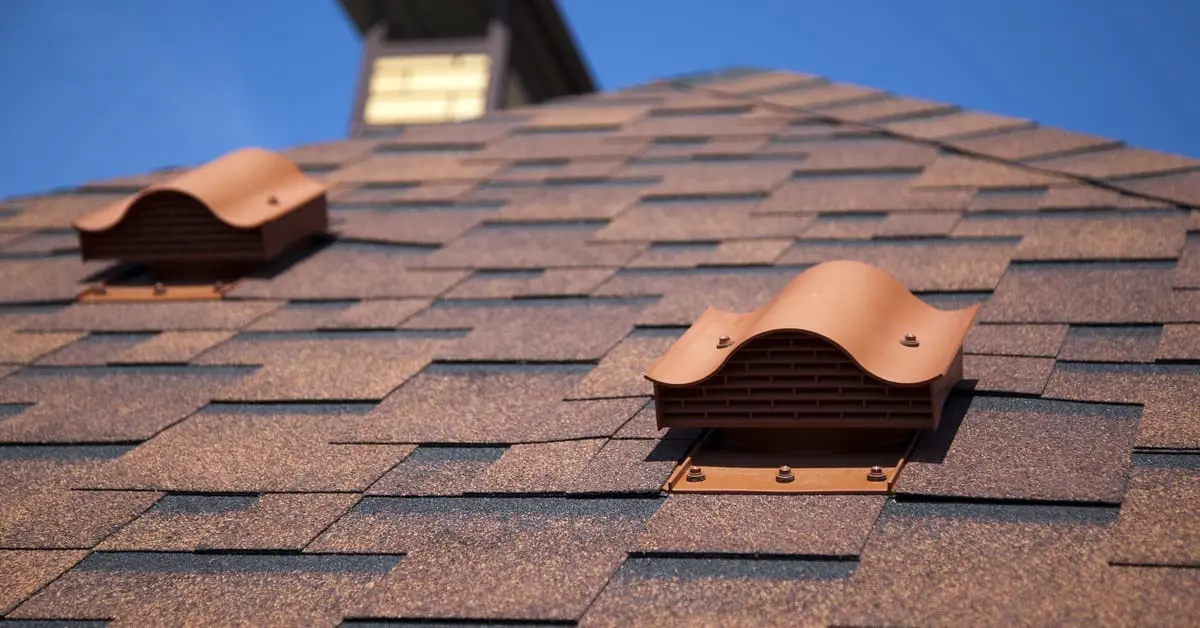
A well-designed ventilation system relies on both intake and exhaust vents working together. Intake vents—like soffit vents—sit along the lower edge of the roof or tucked beneath the eaves, drawing cool, fresh air into the attic space. Exhaust vents are positioned near the peak to let out hot, humid air. Common options include ridge vents, which stretch along the roof’s top edge, as well as box vents and turbine vents over dedicated openings. Your home’s ideal vent combination will depend on your roof’s design and local climate.
How Does a Professional Installation Ensure Proper Airflow?
Proper airflow demands careful planning and expertise. An experienced roofing contractor calculates your attic’s ventilation needs, typically using the guideline of one square foot of ventilation for every 300 square feet of attic space, balanced evenly between intake and exhaust. This ensures fresh air circulates smoothly through your attic, preventing hot spots and excess moisture.
A certified expert places vents where they’ll best support the natural flow of air. Getting ventilation wrong can create dead zones or even lead to water making its way into the attic. When you choose GAF master elite roofing contractors, you’re trusting a team recognized for meeting top industry standards. That level of certification guarantees real expertise—not just in installing vents, but in creating a balanced, effective ventilation system that will help protect your home and keep it performing its best for years to come.
How Does Proper Ventilation Improve Overall Home Health?
Roof ventilation isn’t just about keeping your attic cool; it’s a foundation for your home’s lasting health. Reliable airflow stops moisture and mold before they gain a foothold and protects the roof deck, rafters, and insulation from gradual damage.
A well-ventilated roof is essential for your family’s health and comfort. Quality ventilation keeps mold and moisture at bay, reduces indoor pollutants, and balances temperatures throughout the year. When you understand the role of roofing ventilation in indoor air quality, you can improve your home’s safety and value.
If you’re concerned about your roof’s ventilation performance, now’s the time to address it. A-Rite Construction’s certified team has served Central Wisconsin homeowners for over 20 years with expert roofing and ventilation solutions. Contact us today to learn how we can help improve your home’s air quality.