
Finding a dependable contractor takes work. When your home needs roofing, siding, and windows, the stakes are even higher. You want a company that handles every part of the job without cutting corners. Knowing how to choose the right contractor for multiple services helps protect your investment and ensures your home will look its best.
Choosing one company for multiple projects streamlines everything. Communication becomes simpler, your home keeps a cohesive look, and work usually wraps up faster. With a single team in charge, you avoid wasted time juggling calls, and your project stays organized from start to finish.
Focus on three essentials as you search: expertise, dependability, and clear communication. Zero in on strong qualifications and spot the warning signs early. Asking smart questions up front will give you confidence in the contractor and the finished result.
Verify Proper Licensing and Insurance
Start by confirming the contractor holds all necessary state and local licenses. Ask for their license numbers and verify with the proper agencies. Valid licensing shows professionalism and gives you peace of mind.
Insurance is just as critical as licensing. Contractors need both liability insurance and workers’ compensation to cover property damage or crew injuries. Without them, you risk being responsible for accidents on your property. Good contractors share this without hesitation because it protects both you and their business.
Look for Manufacturer Certifications
Top contractors earn certifications such as GAF Master Elite or Owens Corning Contractor, which require proven skill, strong customer service, and business stability. These credentials show the company meets strict installation standards set by leading manufacturers.
These certifications prove the contractor’s team has completed specialized training from top manufacturers, so they install materials correctly and keep your warranties valid. With that expertise, your investment stays protected, and you get peace of mind.
Check Online Reviews and References
Online reviews reveal a lot about a contractor’s reputation. Focus on platforms like Google, Yelp, and the Better Business Bureau. Read beyond star ratings to find out what working with the contractor is truly like. Customer feedback helps you understand their professionalism, communication, and results.
Look for consistent comments about communication, professionalism, and workmanship. See how the contractor handles negative reviews. If you spot respectful, solution-oriented replies, that’s a good indicator of accountability and a strong commitment to client satisfaction.
Go beyond online reviews by asking the contractor for references from past clients who needed multiple services. Direct conversations give you real insights into their experience, letting you ask about project management, communication, workmanship, and whether the job finished on time and within budget.
Prioritize Clear and Consistent Communication
Clear communication drives successful construction projects. You should feel informed and included in every stage of the project. A dependable contractor listens to your concerns, answers questions clearly, and provides timely updates throughout the process.
When you first meet with the contractor, notice how they explain things. Do they make technical details easy to follow and walk you through a clear proposal? If their answers seem vague or they skip over details, that’s a sign to dig deeper and ask more questions.

Obtain a Detailed Written Contract
Get a detailed, written contract before any work starts, signed by both you and the contractor. The agreement should outline all aspects of the project—don’t rely on verbal promises or a handshake.
Your contract should outline all project details: what work is included, which brands and materials the team will use, and the payment schedule. Make sure costs and timing are clearly stated so expectations are set from the start.
Your contract should clearly state the start and completion dates, outline how changes or unexpected issues get handled, and specify what’s covered under workmanship and material warranties. Review it carefully before signing, and ask the contractor to explain anything unclear.
Evaluate the Quality of Proposed Materials
The lifespan of your home depends on quality materials. Reliable contractors choose brands known for durability and strong warranties. Be wary if someone pushes cheap or unfamiliar products just for a lower price—cutting corners with materials never pays off in the long run.
Ask your contractor why they recommend certain products. A knowledgeable professional will explain how specific windows save energy or how particular shingles handle the local climate. Their advice should fit your budget, style, and local conditions.
Ask your contractor to list the exact brands and products they plan to use. This transparency prevents surprises and lets you check that the materials meet your expectations for performance, reputation, and warranty coverage.
Understand the Contractor’s Project Management Process
Coordinating multiple projects at once requires strong organization. Contractors managing multiple services need a clear plan for each stage, from scheduling to keeping crews on track. Ask how they handle timelines and ensure every part of the job moves forward smoothly.
Ask how the team is structured. Do they use their own employees or rely on subcontractors? If subcontractors are part of the job, learn how the contractor screens them and ensures quality. A reputable company stands behind every crew, maintains strong connections with skilled trades, and takes full responsibility for your project.
Consider Their Specialty
When weighing your options, consider whether a contractor focuses primarily on interior or exterior projects. Interior contractors specialize in areas like kitchens, bathrooms, and flooring, offering detailed knowledge about indoor spaces and finishes. Exterior contractors, on the other hand, center their expertise on roofs, siding, windows, and gutters, understanding how all these elements work as a system to protect your home from the outside in.
A contractor specialized in one area can be helpful. An expert in exteriors will know all about keeping weather out and maintaining curb appeal, while an interior pro may be best for complex remodels inside your home.
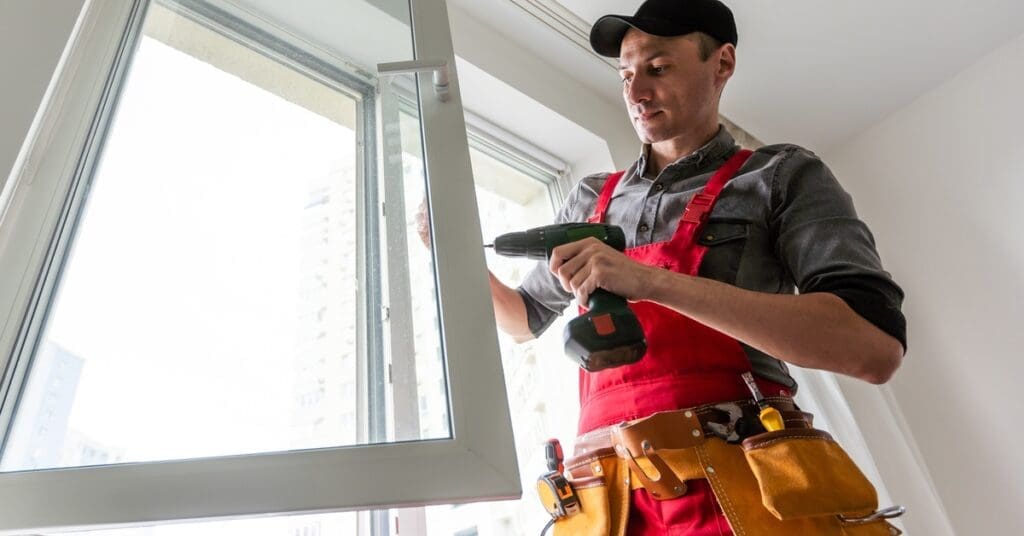
Compare Bids With a Focus on Value
Getting at least three bids is smart, but don’t choose based on the price alone. The lowest offer may signal lower-quality materials, unskilled labor, or gaps in insurance. Focus on which contractor delivers the best overall value and peace of mind.
Compare each proposal carefully to ensure bids cover the same scope and use quality materials. If one bid is much lower, ask the contractor to explain the difference. Reputable companies will clarify costs and demonstrate the added value they provide.
By following these steps, you can confidently choose the right contractor for multiple services.
To choose the right contractor for multiple services, focus on proven experience, reliable communication, and a commitment to quality. Making a thoughtful choice now helps protect your investment and ensures your home will stand the test of time.