Gutters might not be the first thing you notice about your home, but they quietly defend your roof and foundation every time it rains or the snow melts. Neglecting to maintain them can lead to real headaches—costly repairs, water damage, and unnecessary stress. Wise homeowners know that a little maintenance goes a long way. We’ll teach you how to extend the lifespan of your gutters with smart, simple tips.
Taking good care of your gutters means fewer unexpected repairs and helps you protect the value of your home. By following our recommendations, you can count on your gutters to do their job season after season.
Keep Gutters Free of Debris
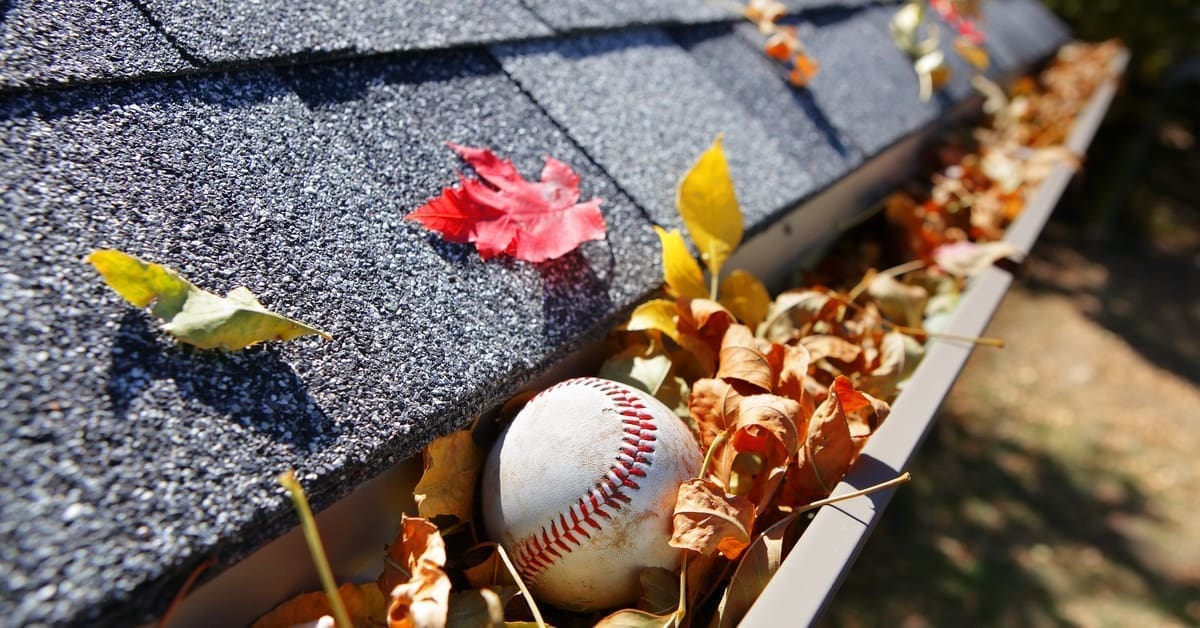
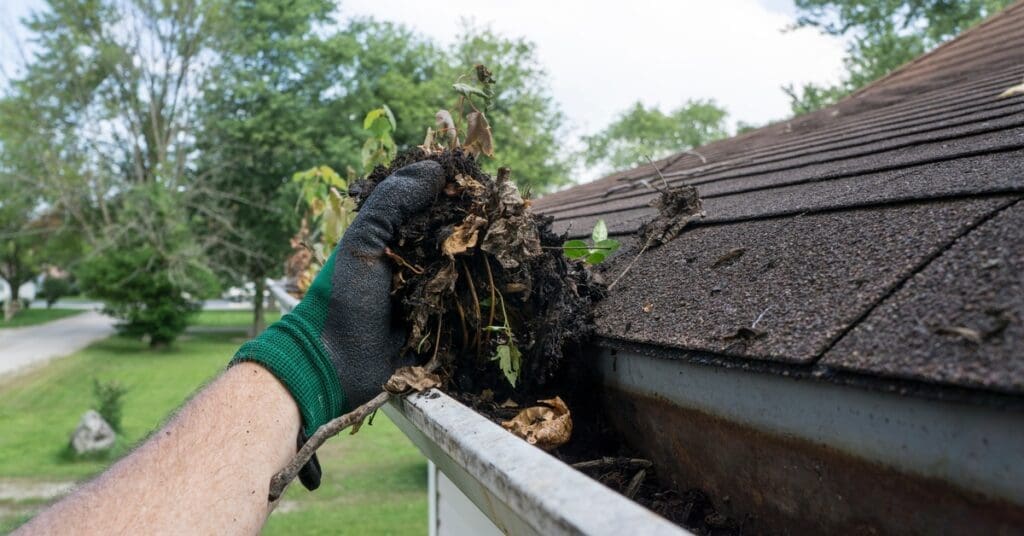
If you want your gutters to last, regular cleaning is essential. Leaves, sticks, seeds, and other debris will find their way in throughout the year. This gunk doesn’t just look unsightly. It can clog things up and stop water from flowing out of your downspouts.
When clogs form, gutters fill with water, becoming heavy. That extra weight strains the hangers and fascia boards, making the gutters sag or even begin to pull away from the house. Overflow water can soak your roof, siding, and foundation. Most homeowners find that a simple cleaning twice a year, once in spring and again in the fall, prevents these issues and keeps things moving.
Inspect for Damage Routinely
A quick walk around your property offers a lot of insight. Give your gutters and downspouts a careful look for cracks, rust, holes, or seams coming apart.
Pay attention to spots where sections meet or where a gutter attaches to a downspout; these areas can wear out faster. Also, make sure gutter hangers remain secure and straight on the roofline. Catching issues early allows for quick repairs and helps your gutter system last longer.
Ensure Proper Gutter Slope
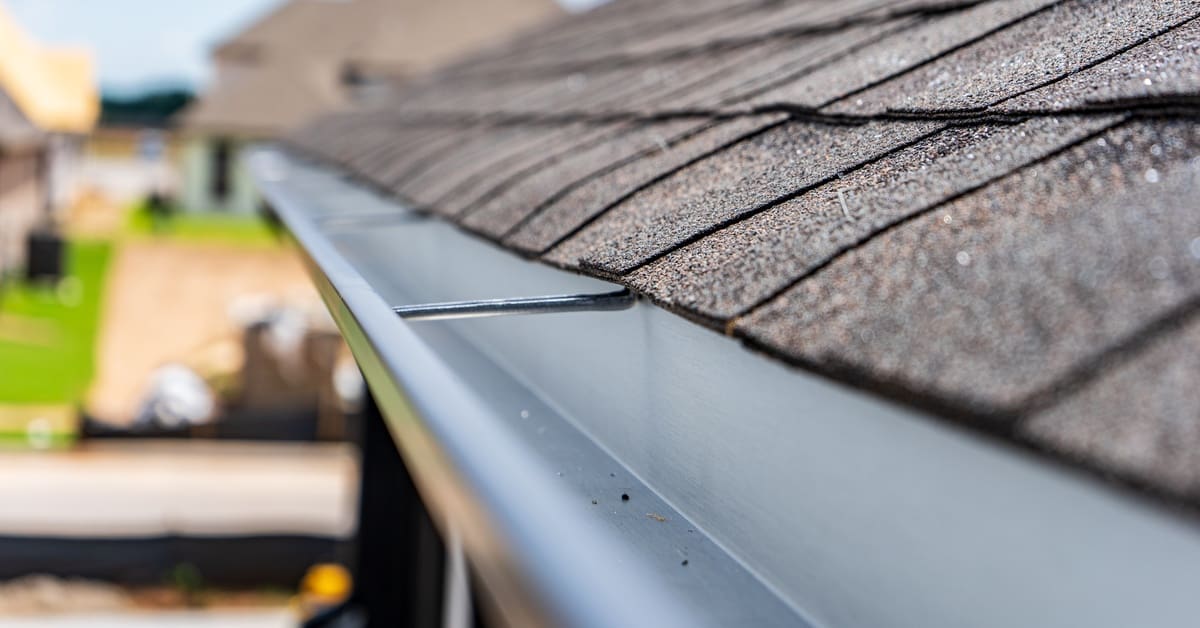
Gutters need the right slope to function properly. The pitch should be just enough so water runs to the downspouts. You don’t want them so flat that puddles form, but also not so steep that water skips past the outlet.
Over the years, gutters might sag or shift as the house settles or from the weight of wet debris. If you see standing water even days after rainfall, your slope probably needs some adjustment. Grab a level to double-check the pitch or bring in a professional to reset it. When your gutters are sloped properly, you’ll notice a major difference in drainage and your gutter’s lifespan.
Check and Secure Gutter Seams
The seams that join gutter sections often see the most wear. Harsh weather and season changes can cause sealants to dry out, split, or separate. When that happens, water can leak through and damage your fascia or siding.
Make it a habit to check every joint and seam for gaps or old, brittle sealant. If something needs attention, clean the area first and reseal with a premium gutter sealant. Taking care of joints as problems pop up means water stays where it’s supposed to.
Clean and Clear Downspouts
A clean gutter is only as good as its downspout. If something blocks that exit, water will back up and overflow, pushing toward your home instead of away from it.
To check your downspouts, run water from a hose through them. If water comes through quickly and clearly at the bottom, you’re good. If not, there’s probably a clog. Many blockages happen in the elbows, and you can usually clear them with a plumber’s snake or by flushing with intense water pressure.
Trim Overhanging Branches
Yard trees add charm and shade, but low-hanging limbs near your house are a known gutter hazard. Leaves, needles, and twigs fall in your gutters all year long, and branches can scrape the gutters during windy days, doing real damage.
Keep tree branches pruned back a few feet from your roofline. This small step helps prevent gutter clogs and minimizes the risk of branches scraping or bending the gutters during storms.
Install High-Quality Gutter Guards
A reliable gutter guard can save you time and trouble. These covers or screens go over your gutters to keep out leaves and large debris while letting water pass through. Gutter guards can cut down on how often you have to clean out the system and prevent those stubborn clogs from forming.
While no solution means you’ll never need to check your gutters again, high-quality gutter guards add a strong layer of protection. There’s a range of styles, including mesh, foam, and surface-tension products. Choose one that fits your climate and maintenance needs.
Address Rust and Corrosion Promptly
If your gutters are metal, especially galvanized steel, you’ll want to watch for rust. Scratches or worn areas expose the metal underneath, and rust will eventually chew a hole right through.
Look for orange or brown spots during your regular checks. If you spot rust early, use a wire brush to clear it away, then apply a rust-inhibiting primer and a matching touch-up paint. Spot repairs like this extend the life of your gutters and keep them looking sharp.
Reinforce Gutters Before Winter
The weather during the winter can be rough on your house, and your gutters are right in the line of fire. Snow and ice get heavy, which can pull gutters loose. When ice melts and refreezes, it can block gutters and damage seams.
Before the cold sets in, double-check that all hangers are snug and secure. You might need to add a few extras if needed. Clear every downspout and gutter run so nothing stands in the way of melting snow. Winter preparation helps your gutters stay in place and work properly all winter long.

Work With Professionals
Every long-lasting gutter system starts with the right installation. If gutters are installed poorly, you’ll battle sagging, leaks, and poor drainage from day one. Trusting an experienced roofing team means your gutters will fit your home perfectly, run at the ideal pitch, and remain rock solid through every season.
A professional installation isn’t just about putting up gutters. Reliable companies use quality materials, follow industry standards, and take local weather into account. When you invest in an expert gutter installation, you create a solid foundation and avoid issues in the future.
Consider Material Durability
The material you select has a big impact on how long your gutters last. Here are some of the most common materials.
- Aluminum is lightweight, rustproof, and available in many colors. This is a top pick for most homeowners.
- Vinyl is budget-friendly, rustproof, and simple to install. However, it can turn brittle in harsh, cold weather.
- Steel is sturdy and tough, but galvanized steel might rust if scratched. Stainless steel costs more but adds reliability.
- Copper lasts long and won’t rust. It builds a distinguished patina and brings a high-end look.
When it’s time to upgrade your gutters, match your material choice to the needs of your home and climate. Following these tips on how to extend the lifespan of your gutters helps you protect your home from water damage and preserve your investment. When your gutters stay strong, your home stays protected—a win for both your property and your peace of mind.