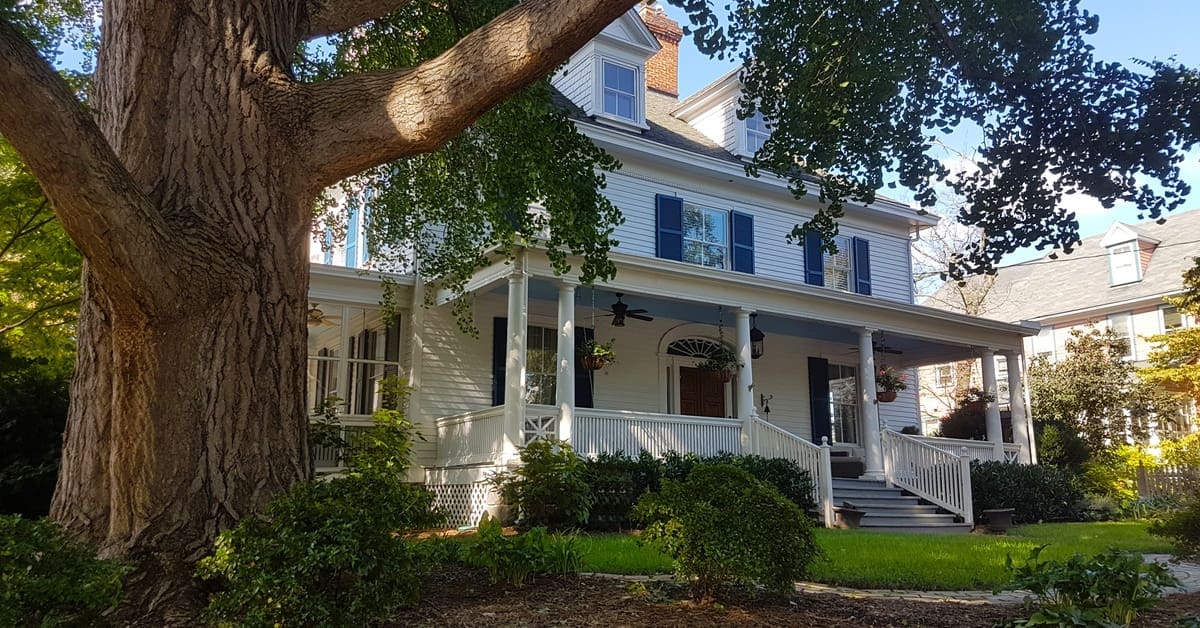
Wausau’s older homes have charm that’s hard to beat. Built with solid materials and a focus on craftsmanship, these properties carry a sense of history you just can’t replicate with new construction. But when it comes to keeping energy costs low, that old-world character often comes at a modern price.
If you’ve ever felt a draft, noticed snow melting unevenly on your roof, or seen your utility bill climb year over year, your home’s energy performance may need some attention. Here’s where to start when it comes to maximizing energy efficiency in older homes.
Start With Roofing and Ventilation
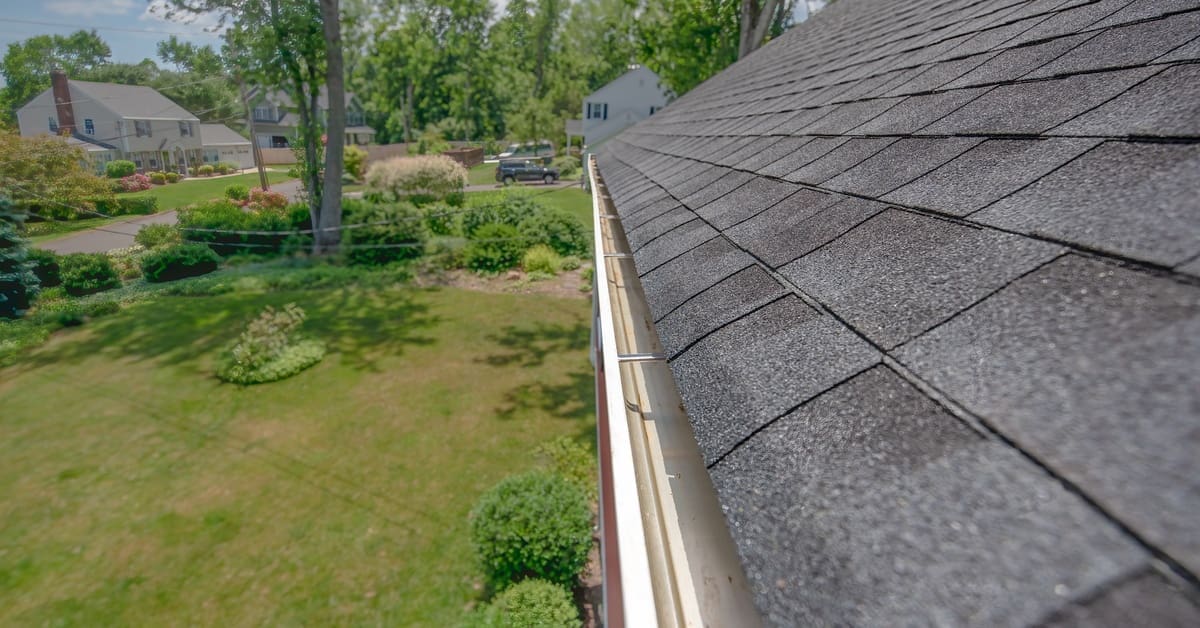
Your roof is your home’s first defense against snow, rain, and sun, but it also plays a key role in energy performance. Aging shingles, underperforming ventilation, or clogged soffits can all contribute to trapped heat in summer and heat loss in winter. That strain shows up on your utility bill.
Rather than focusing only on shingles, think about the roofing system as a whole. Proper ventilation, particularly a balanced mix of soffit and ridge vents, can extend the life of a roof while keeping attic temperatures stable year-round. This helps prevent ice dams, moisture buildup, and unnecessary strain on an HVAC system.
This is also a smart time to weigh the benefits of energy-efficient skylights. Models like those from VELUX allow more daylight into a home without compromising insulation, especially when installed with the right flashing and sealing. When done properly, skylights can brighten a space while keeping energy use in check.
Pay Attention to Chimneys and Flues
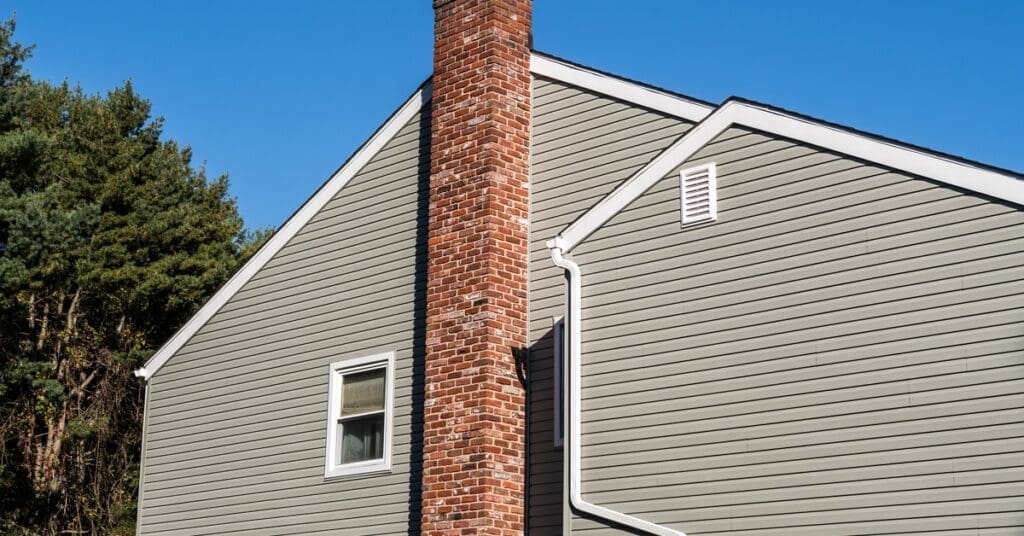
A fireplace may add ambiance, but it can also let warm air slip right out of your home. Older chimneys often have gaps or unsealed flues that compromise energy efficiency.
Sealing unused flues with a chimney balloon or adding a top-sealing damper can significantly reduce unwanted drafts. For working fireplaces, confirm the damper closes tightly when not in use. An annual inspection in the fall helps ensure everything functions as it should before peak heating season begins.
Chimney flashing is another detail worth checking. Gaps between the chimney stack and roofing material can allow both air and water to get through. Inside the attic, insulation should reach around—but not touch—the chimney, keeping airflow controlled while respecting fire safety clearances.
Insulate Where It Counts
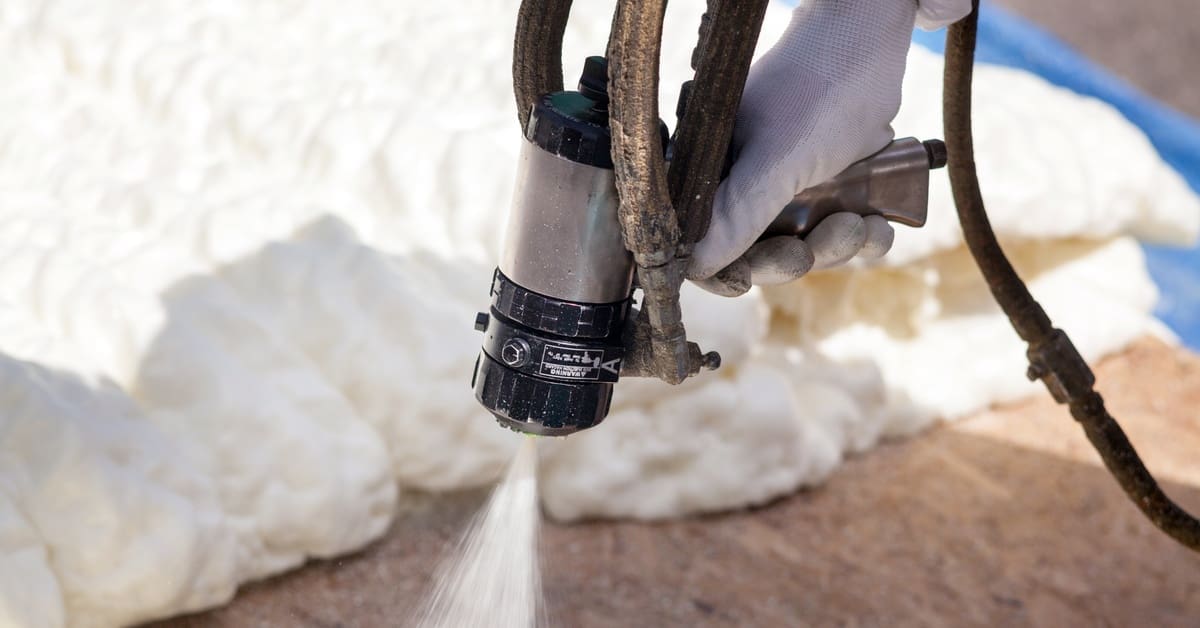
In older homes, attic insulation is usually the weakest link. Either it’s missing altogether or has settled so much over the decades that it barely holds any heat. That’s where residential insulation contractors, like A-Rite Construction, come in.
A-Rite Construction uses AttiCat by Owens Corning, a loose-fill fiberglass material that expands to fill corners and gaps. Loose-fill fiberglass insulation is useful in homes with nonstandard framing or small crawl spaces where traditional batting falls short. Once installed, the installation forms a thermal blanket that holds warmth in winter and blocks excess heat during summer.
Don’t stop at insulation alone. The attic hatch often goes unsealed, creating a direct path for warm air to escape. Adding foam gaskets or weatherstripping creates a tighter barrier. Likewise, sealing around light fixtures, exhaust fans, and vent pipes can help keep conditioned air where it belongs—inside the home.
Rethink Old Windows
Windows are among the most visible and costly culprits of energy loss. Most older homes have single-pane glass, failing or missing seals, and warped frames that leave homeowners with cold drafts and unwanted heat. But replacing every window at once isn’t always realistic.
Start by identifying which windows show signs of moisture, rattling, or noticeable drafts. Pella offers a range of energy-efficient window options that are both visually compatible with historic homes and effective at reducing heat transfer. Their multi-pane glass, low-E coatings, and weather-sealed frames are designed to perform in extreme climates.
For homeowners not ready to commit to full replacement, small upgrades can still make a difference. Add weatherstripping around frames, use thermal-backed curtains during peak seasons, and seal any visible gaps with caulk or foam filler. These changes won’t replace modern windows, but they can reduce unnecessary energy waste.
Upgrade Siding and Sealing
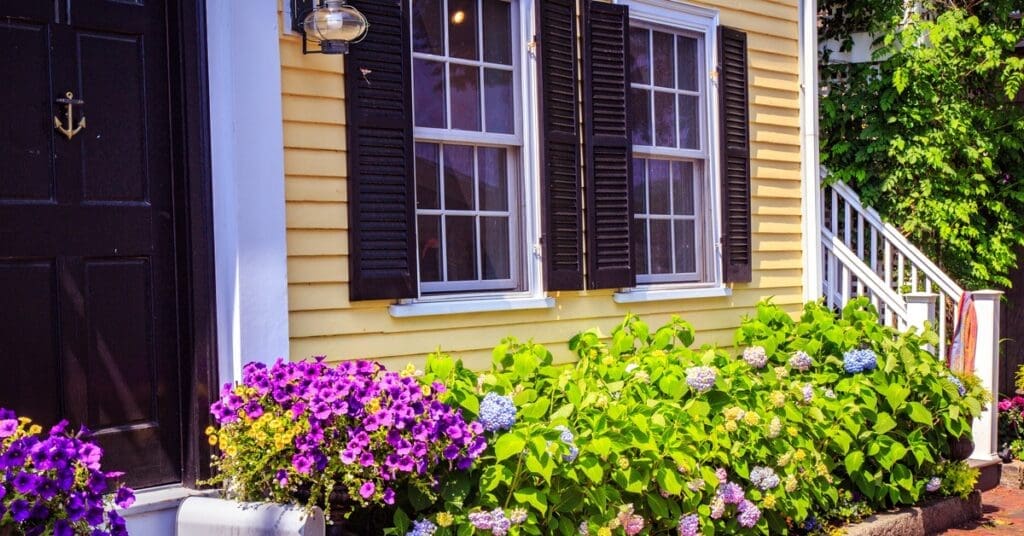
An aging exterior isn’t just a cosmetic issue; it’s often a performance issue, too. Cracks, warped boards, or fading vinyl may be letting air in and out without you realizing it. Replacing old siding is one of the most impactful ways to boost a home’s envelope, and the materials you choose matter.
Mastic siding, especially those with Solar Defense Reflective Technology, offers UV protection and thermal stability, even for darker colors. Norandex siding includes performance-engineered features that improve weather resistance while helping deaden outside noise. Both brands also provide incremental R-values that give a home better insulation year-round.
Don’t underestimate the small sealing fixes, either. Use low-expansion foam to fill gaps between siding and trim, around outdoor faucets, or where cable and utility lines enter the house. Even adding a foam backer rod and caulk to aging vertical seams can tighten an envelope significantly.
Check Gutters and Drainage
Energy efficiency and moisture control go hand in hand. If your home can’t move water away from its foundation or roofline, you risk compromised insulation, wood rot, and mold, all of which force an HVAC system to work harder.
Box gutters, often found in older homes, require careful maintenance or retrofitting to ensure proper drainage. A-Rite Construction installs modern systems that preserve a home’s appearance while improving runoff control. Confirming gutters are pitched correctly and draining at least five feet from your foundation can help keep insulation dry and effective.
Look for signs of moisture in the attic, around windows, or along the foundation. Stains, musty smells, and peeling paint can all point to drainage issues that reduce energy performance. Make cleaning out gutters part of your routine every spring and fall, and inspect your downspouts after heavy rain to make sure they’re doing their job.
Think Long-Term, Not One-Off
Quick fixes might help in the short term, but true efficiency takes a whole-home approach. Swapping out one window or adding a little insulation won’t solve deeper issues such as poor attic airflow or outdated siding. Long-term gains come from understanding how each system in your home affects the next.
At A-Rite Construction, we focus on sustainable improvements that deliver measurable results. As a GAF Master Elite and Owens Corning Top of the House Certified Contractor, we bring a full-scope view to every project. From attic insulation with AttiCat to siding installs with Mastic and Norandex, every material we use is chosen for performance and longevity in harsh Wisconsin weather.
Our insulation contractors treat each property like it’s one of a kind—because it is. That’s why A-Rite Construction tailors our exterior upgrades and home insulation for Wausau, WI, to the goals and budget of each homeowner. Whether you’re dealing with snow-packed rooftops or high summer humidity, we’re here to help you get the most out of your home.
If you’re ready to see how to maximize energy efficiency in older homes for yourself, contact A-Rite today.